Introduction to CNC Machined Stainless Steel Parts
CNC machined stainless steel parts are essential components in various industries due to their outstanding strength, durability, and resistance to corrosion. The process of Computer Numerical Control (CNC) machining allows for the production of highly precise and intricate designs that cater to specific needs. As industries continue to evolve, the demand for custom-designed parts has surged, making CNC machining a critical technology in modern manufacturing. When exploring options, cnc machined stainless steel parts provide comprehensive insights into the state-of-the-art capabilities available today.
What are CNC Machined Stainless Steel Parts?
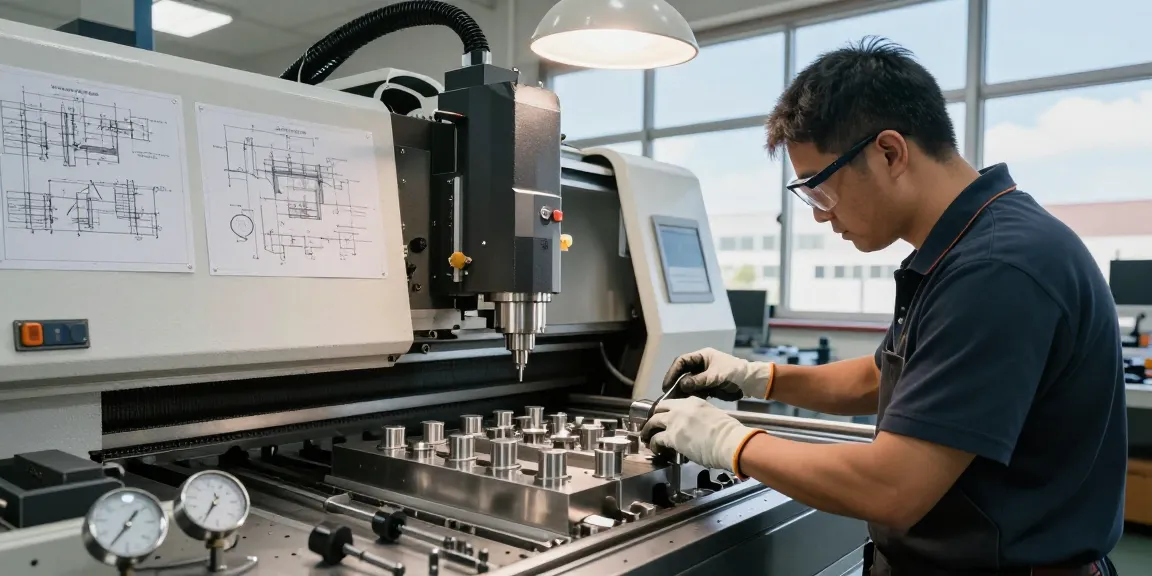
CNC machined stainless steel parts refer to components that are manufactured using CNC technology with stainless steel as the primary material. This process involves automating machining operations through programmed commands, allowing for a high level of accuracy and consistency. The versatility of CNC machining enables the creation of complex geometries, which are vital in applications ranging from automotive parts to medical devices.
Benefits of Using Stainless Steel in CNC Machining
Stainless steel is favored in CNC machining for several reasons:
- Corrosion Resistance: Stainless steel's inherent properties prevent rust and corrosion, making it suitable for harsh environments.
- Strength and Durability: The material offers exceptional tensile strength, contributing to the longevity and reliability of the components.
- Ease of Fabrication: Stainless steel can be easily machined, leading to efficient production processes without compromising quality.
- Hygienic Properties: Particularly important in the medical and food industries, stainless steel is easy to clean and sanitize.
Industry Applications and Use Cases
The applications of CNC machined stainless steel parts are vast and varied, spanning multiple sectors:
- Aerospace: Components such as brackets and fittings designed to withstand extreme conditions.
- Medical: Surgical instruments and implants that require precise and clean finishes.
- Automotive: Parts like exhaust components and structural supports that demand high strength.
- Food and Beverage: Equipment that must adhere to strict hygiene standards while maintaining durability.
Key Features of CNC Machined Stainless Steel Parts
High Precision and Tolerances
CNC machining is celebrated for its ability to produce parts with exceptional precision. Tolerances as tight as ±0.001 inches are achievable, ensuring that components fit perfectly into assemblies. This level of accuracy is crucial in industries where even minor deviations can lead to significant operational issues.
Corrosion Resistance and Durability
The corrosion resistance of stainless steel not only extends the lifespan of the parts but also maintains their aesthetic appeal over time. This is particularly important in environments exposed to moisture, chemicals, or extreme temperatures.
Cost-Effectiveness in Manufacturing
While the initial costs of machining stainless steel can be higher compared to other materials, the long-term savings associated with durability and reduced maintenance often justify the investment. Furthermore, automation through CNC technology reduces labor costs and increases efficiency, making it an economically viable option for many manufacturers.
Challenges in CNC Machining of Stainless Steel
Common Issues Faced by Manufacturers
Despite its advantages, machining stainless steel poses several challenges, including tool wear due to its hardness and the need for specialized techniques to manage heat generation during machining. Additionally, the costs associated with high-quality tooling can add to the overall expense of production.
Overcoming Material Limitations
To mitigate these challenges, manufacturers often employ techniques such as using specialized cutting tools made of carbide or high-speed steel, optimizing cutting speeds and feeds, and utilizing coolant systems to manage temperatures effectively.
Addressing Machining Challenges with Technology
Advanced technologies, such as predictive maintenance and machine learning, are being integrated into CNC systems to enhance efficiency and reduce downtime associated with tool failures. These innovations also enable manufacturers to refine machining processes continuously.
Best Practices for CNC Machined Stainless Steel Parts Production
Choosing the Right CNC Machines and Tools
Selecting the appropriate CNC machines and tools is critical for achieving the desired outcome when machining stainless steel. Features to consider include spindle speed, feed rate, and torque, as these factors can significantly influence the machining process.
Optimizing Design for Machinability
Designing parts with manufacturability in mind can lead to smoother machining processes and improved outcomes. Simple geometries and adequate tolerancing can significantly ease production, while complex designs may require additional considerations.
Implementing Quality Control Measures
Quality control is paramount in ensuring that the final products meet industry standards. Techniques such as Statistical Process Control (SPC) and regular inspections at various production stages can help maintain high-quality output and reduce waste.
Future Trends in CNC Machined Stainless Steel Parts
Emerging Technologies in CNC Machining
The future of CNC machining is being shaped by technological advancements, including the integration of automation and robotics to increase efficiency in production lines. The use of artificial intelligence for predictive analytics is also beginning to revolutionize how manufacturers approach quality assurance.
Sustainability in Stainless Steel Production
As sustainability becomes a priority across industries, manufacturers are increasingly focusing on utilizing eco-friendly practices in the production of stainless steel. This includes recycling scrap materials and reducing waste during the machining process. Innovations in sourcing and processing stainless steel are expected to play a significant role in making CNC machining more sustainable.
Forecast for the CNC Machining Industry by 2026
By 2026, the CNC machining industry is projected to witness substantial growth, driven by advancements in technology and an increasing emphasis on customization. The demand for various materials, including stainless steel, will continue to rise as industries seek reliable and efficient manufacturing solutions. Staying abreast of these trends will be crucial for manufacturers looking to maintain a competitive edge.
Frequently Asked Questions
What industries typically use CNC machined stainless steel parts?
CNC machined stainless steel parts are utilized in industries such as aerospace, automotive, medical devices, food processing, and electronics, where durability and precision are vital.
How does CNC machining improve part accuracy?
The CNC machining process enhances part accuracy by using computer controls for precision cutting, which significantly reduces human error compared to traditional methods.
What are the cost savings associated with CNC machining?
Cost savings stem from reduced labor costs, lower material waste, and less need for rework, combined with the long-term durability of stainless steel parts that minimize replacement costs.
Can CNC machined stainless steel parts be customized?
Yes, CNC machining allows for high levels of customization, enabling manufacturers to produce tailored parts that meet specific requirements for various applications.
What trends are shaping the future of CNC machining?
Key trends include automation, sustainability, increased demand for customization, and the integration of advanced technologies like AI and machine learning into manufacturing processes.