Understanding Woodworm Infestation
Woodworm infestation can wreak havoc on wooden structures, often going unnoticed until significant damage has occurred. These pests, which primarily consist of the larvae of wood-boring beetles, feed on wood, weakening its structural integrity over time. For homeowners, this means potential costly repairs and a threat to the safety of their living environments. To combat these issues effectively, it is crucial to understand the nature of woodworms, the signs of infestation, and how innovative solutions like SHASHEL® are transforming pest control.
What are Woodworms and Their Impact?
Woodworms are the larvae of various species of beetles that bore into wood, leaving behind a trail of destruction as they feed. This feeding process can result in substantial damage to wooden structures, furniture, and flooring. The most common culprits include the common furniture beetle, the powder post beetle, and the house longhorn beetle. These insects are often difficult to detect until their damage becomes visible, highlighting the importance of early intervention and effective treatment methods.
Common Types of Wood-Boring Insects
Understanding the types of wood-boring insects is essential for effective pest management. Some of the most prevalent species include:
- Common Furniture Beetle: Known for its affinity for softwoods, this beetle can cause severe damage in furniture and structural timber.
- Powder Post Beetle: These insects typically infest hardwoods and are notorious for creating fine powdery frass as they burrow through the wood.
- House Longhorn Beetle: This species can infest both hardwood and softwood, often leading to significant structural issues.
Signs of Infestation in Wooden Structures
Detecting a woodworm infestation early on is critical for preventing extensive damage. Here are some common signs to look out for:
- Visible Exit Holes: Small holes in wood surfaces are often the first indicator of an infestation.
- Frass: This wood dust is a byproduct of woodworm feeding and can often be found beneath infested wood.
- Soft or Brittle Wood: If wood feels soft or crumbles when pressure is applied, it may indicate a severe infestation.
Innovative Solutions: The SHASHEL® Approach
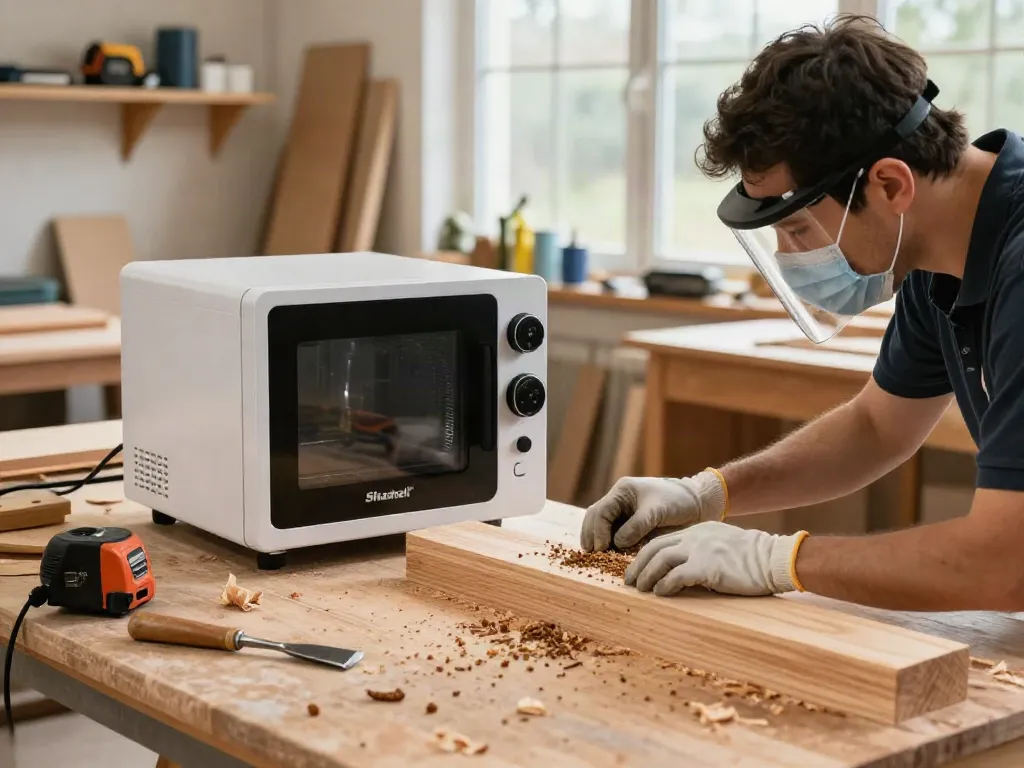
With the increasing awareness of the dangers posed by wood-boring insects, innovative solutions have emerged in the market. SHASHEL® technology offers a cutting-edge approach to wood treatment that is both effective and eco-friendly. Utilizing microwave technology, SHASHEL® eradicates woodworms and their larvae without the use of harmful chemicals, providing an efficient alternative that is safe for homes and the environment.
How SHASHEL® Technology Works
SHASHEL® employs microwave technology to penetrate deep into wood, targeting insects effectively. These microwaves heat the wood internally, elevating the temperature to a level lethal for wood-boring pests, while also ensuring no collateral damage to the wood itself. This process not only kills the larvae and adult beetles but also destroys eggs, making it a comprehensive solution for woodworm infestations.
Benefits of Microwave Treatment Compared to Chemicals
Microwave treatment using SHASHEL® offers several benefits over traditional chemical methods:
- Eco-Friendly: Eliminates the need for toxic chemicals, making it safer for both humans and pets.
- Deep Penetration: Ensures treatment reaches all layers of the wood, maximizing efficacy.
- Speed: The process can be completed in minutes, reducing downtime for affected areas.
Case Studies: Successful Wood Treatment with SHASHEL®
Several case studies highlight the effectiveness of SHASHEL® technology. For instance, a historic wooden structure in Italy experienced extensive woodworm damage, threatening its stability and heritage. After employing SHASHEL® technology, inspectors found complete eradication of the infestation, preserving both the structure's integrity and historical value. This example showcases the potential of microwave treatment in various applications, from residential to historical preservation.
Application Techniques and Best Practices
To achieve optimal results with your SHASHEL® device, proper setup and operational techniques are essential. Understanding how to use the technology effectively can ensure complete woodworm elimination and safeguard your wooden assets.
Setting Up Your SHASHEL® Device for Optimal Results
Begin by carefully reading the manufacturer's instructions and ensuring that the device is appropriate for the size of the area being treated. Clear the treatment area of any obstructions and ensure that the wood is dry, as moisture can affect the effectiveness of the treatment. Proper setup can significantly enhance the outcome of the treatment process.
Step-by-Step Guide to Using SHASHEL®
- Prepare the wood by inspecting it thoroughly and removing any visible debris.
- Set the SHASHEL® device to the recommended settings based on the type and thickness of the wood.
- Position the device correctly to ensure uniform exposure to microwaves.
- Monitor the treatment closely, adjusting settings as necessary to achieve the desired temperature.
Common Mistakes to Avoid During Treatment
Avoiding common pitfalls can enhance the effectiveness of the SHASHEL® treatment:
- Neglecting to check for moisture in wood, as this can hinder microwave penetration.
- Underestimating the level of infestation, which might require longer treatment times.
- Failing to ensure proper ventilation during treatment to avoid overheating.
Post-Treatment Care and Maintenance
Once the treatment with SHASHEL® is complete, proper care and maintenance are necessary to ensure the longevity of the wooden structures and to prevent reinfestation.
Assessing Treated Areas: What to Look For
Post-treatment inspections are vital to ascertain the efficacy of the SHASHEL® process. Look for:
- Sealed exit holes that indicate the termination of the infestation.
- Absence of frass or any signs of new damage.
- Overall stability of the wooden structure; if it feels solid and intact, successful treatment is indicated.
Maintenance Tips for Treated Wood
To prolong the life of treated wood, consider the following maintenance tips:
- Regular Inspections: Schedule annual inspections to catch any potential issues early.
- Proper Storage: Ensure that any stored wood is kept in a dry, ventilated space to deter future infestations.
- Monitor Environmental Conditions: Control humidity levels, as high moisture can attract wood-boring insects.
Preventative Measures Against Future Infestation
Implementing preventative strategies can significantly reduce the risk of future woodworm infestations:
- Use of Insecticides: In some cases, a preventative treatment with safe insecticides can be beneficial.
- Wood Treatments: Consider applying protective finishes that are known to deter pests.
- Educate Yourself: Stay informed about woodworm species and signs of infestation to act promptly.
Future Trends in Wood Treatment Technologies
The pest control industry is continuously evolving, and wood treatment technologies are no exception. With the growing demand for sustainable solutions, innovative approaches like SHASHEL® are paving the way for a future where chemical treatments may become obsolete.
What to Expect in 2026 and Beyond
As we look ahead, expect advancements in microwave technology that enhance efficiency, making treatments faster and more effective. Additionally, expect more integration of AI and machine learning to predict infestations before they occur, allowing for preemptive treatments and minimizing damage.
Emerging Technologies in Pest Control
New technologies are being developed that focus on sustainable pest control methods. For example, biological control agents, such as beneficial nematodes, are gaining traction as an environmentally friendly alternative to traditional pesticides. These methods work synergistically with technologies like SHASHEL® to provide comprehensive pest management solutions.
The Role of Sustainability in Wood Treatment
As environmental consciousness increases, the demand for sustainable wood treatment methods will continue to rise. Technologies that reduce chemical use and emphasize natural pest management methods will not only benefit the environment but also align with consumer preferences for eco-friendly products.
What is SHASHEL® and How Does It Work?
SHASHEL® represents a revolutionary approach to woodworm treatment, leveraging microwave technology to eliminate pests efficiently. By heating wood to a temperature lethal to insects without damaging the wood itself, SHASHEL® offers a safe and effective solution for homeowners and businesses alike.
Is Microwave Treatment Safe for My Home?
Yes, microwave treatment is considered safe for homes when conducted according to the manufacturer's guidelines. Unlike traditional chemical treatments, which may leave harmful residues, SHASHEL® focuses on using heat, ensuring a clean environment post-treatment.
How Long Does the Treatment Process Take?
The treatment process with SHASHEL® typically takes mere minutes per section of wood, depending on the thickness and density. This quick turnaround minimizes disruption to your daily life while effectively addressing pest issues.
Can SHASHEL® Equipment Be Used on All Types of Wood?
SHASHEL® equipment is versatile and can be used on various types of wood, including hardwood and softwood. However, it's essential to follow specific guidelines based on the type of wood being treated to ensure optimal results.
Where Can I Buy SHASHEL® Products?
SHASHEL® products are available through various distributors and directly through the official website. It’s recommended to consult with professionals to select the right equipment for your specific needs.