Understanding Integrated Modular Systems
Integrated Modular Systems represent a transformative approach to system design in various industries, particularly in water treatment. By combining distinct functional modules into a cohesive framework, these systems offer enhanced efficiency, flexibility, and cost-effectiveness. As industries evolve, the demand for more adaptable solutions grows, making the exploration of Integrated Modular Systems an essential focus for manufacturers and suppliers.
What Are Integrated Modular Systems?
Integrated Modular Systems are designed to incorporate multiple functionalities within a single, unified structure. This method contrasts with traditional systems that often depend on separate components that may require more effort to synchronize. Within the context of water treatment, these systems utilize a combination of modules tailored to address various water purification challenges, from municipal wastewater to industrial applications.
The History and Evolution of Modular Systems
The concept of modular systems dates back several decades, evolving alongside technological advancements. Initially, modular designs were primarily used in construction and architecture. Over time, they have expanded into various sectors, including healthcare, manufacturing, and water treatment. The continuous push for sustainability and efficiency has driven innovations, resulting in highly specialized systems like those utilized by QILEE.
Key Components of Integrated Modular Systems
- Modularity: The ability to easily add or remove components as necessary.
- Interoperability: Seamless integration among various system parts, ensuring optimal performance.
- Scalability: Capability to expand the system as needs increase without significant overhauls.
- Customization: Tailoring components to meet specific environmental and operational requirements.
Benefits of Using Integrated Modular Systems
Cost Efficiency and Sustainability
One of the most significant advantages of Integrated Modular Systems is their potential for cost savings. By utilizing pre-fabricated modules, businesses can reduce construction time and labor costs. Additionally, these systems often promote sustainability by minimizing waste during the construction process, enhancing energy efficiency, and enabling the use of eco-friendly materials.
Enhanced Performance in Water Treatment
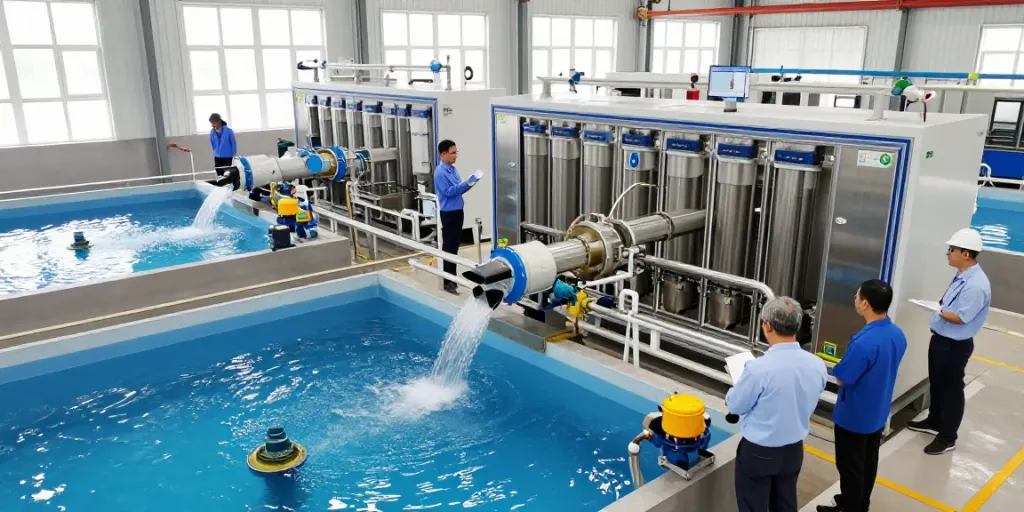
Integrated Modular Systems are designed to optimize performance in water treatment. For example, QILEE's Integrated Membrane Water Treatment Systems offer superior filtration capabilities, ensuring the removal of contaminants from water sources with high efficiency. By employing advanced technologies, these systems can respond effectively to variations in water quality and flow rates.
Scalability and Flexibility for Diverse Applications
The scalability of Integrated Modular Systems allows for their implementation across various applications, including municipal wastewater treatment, industrial processing, and even agricultural uses. This flexibility not only accommodates diverse needs but also enables businesses to adapt to changing environmental regulations and market demands.
Core Offerings of QILEE’s Integrated Modular Systems
Integrated Membrane Water Treatment Systems
QILEE's Integrated Membrane Water Treatment Systems are pivotal in addressing water treatment challenges. These systems utilize cutting-edge membrane technology to deliver high-quality treated water while minimizing energy consumption and operational costs.
DAF Integrated Treatment System Overview
The Dissolved Air Flotation (DAF) Integrated Treatment System is engineered for applications involving wastewater laden with suspended solids. This system combines chemical dosing with sludge dewatering capabilities, making it particularly effective for industries that produce effluents with low-density floc particles.
Sludge Dewatering Modular System Features
The Sludge Dewatering Modular System is designed to streamline the handling and management of sewage and industrial sludge. Its compact structure is engineered for high performance and reliability, making it suitable for a wide array of wastewater treatment facilities.
Real-World Applications and Case Studies
Municipal Wastewater Treatment Examples
Various municipalities have adopted QILEE's Integrated Modular Systems to enhance their wastewater treatment processes. Case studies reveal significant reductions in treatment costs and improvements in effluent quality, meeting stringent regulatory standards.
Industrial Applications and Success Stories
Industries such as food processing and petrochemicals have turned to modular systems for their unique needs. Successful implementations have led to improved operational efficiency and a marked decrease in environmental impact due to enhanced waste management.
Innovative Solutions in Agriculture and Aquaculture
In agriculture and aquaculture, Integrated Modular Systems have revolutionized water management. These systems optimize water usage, ensuring supplies are clean and sustainable while also reducing the ecological footprint of agricultural practices.
Future Trends in Integrated Modular Systems
Technological Advancements in Water Treatment
The future of Integrated Modular Systems will likely see significant technological advancements, including the integration of IoT (Internet of Things) for real-time monitoring and AI-driven analytics to enhance operational efficiency and predictive maintenance.
Regulatory Changes and Environmental Impacts
As environmental regulations become more stringent, the demand for Integrated Modular Systems that can adapt to meet these requirements will grow. This shift will encourage innovation in sustainable practices and technology development in water treatment systems.
Predictions for 2026 and Beyond
Looking towards 2026, we can anticipate a paradigm shift in how Integrated Modular Systems are perceived and implemented. Increased public awareness regarding water quality and sustainability will amplify the demand for robust, efficient systems capable of addressing modern-day water challenges.
What is an example of a modular system?
An example of a modular system is QILEE’s DAF Integrated Treatment System, which integrates multiple functionalities into a single platform for effective wastewater treatment.
How much does a modular system cost?
The cost of a modular system can vary widely based on the specifications, size, and technology components involved. Generally, initial investments are offset by long-term savings in operational efficiency and reduced maintenance costs.
What is modular integrated construction?
Modular integrated construction refers to a building approach where sections are pre-fabricated and assembled on-site, promoting efficiency and minimizing waste. This principle is closely related to the concept of Integrated Modular Systems.
What is the difference between modular and integrated design?
While both modular and integrated designs aim to improve efficiency, modular design refers to the use of separate, standalone components, whereas integrated design combines multiple functions into a cohesive system.
What are the benefits of using Integrated Modular Systems?
The benefits include enhanced cost efficiency, improved performance, scalability, and flexibility, leading to greater adaptability across various applications in both municipal and industrial sectors.