Understanding TradingView: An Overview
In the ever-evolving world of trading, having the right tools is essential for success. One platform that has gained immense popularity among traders and investors is TradingView. This advanced charting and social trading platform not only facilitates market analysis but also fosters a robust community of traders worldwide. As we delve into what TradingView has to offer, we'll explore its core functionalities, unique advantages, and the reasons behind its growing adoption in 2026. When exploring options, tradingview provides comprehensive insights that can significantly enhance your trading strategies.
What Is TradingView and Who Uses It?
TradingView is a cloud-based platform that combines state-of-the-art charting capabilities with a social community. Traders and investors from various backgrounds use TradingView to analyze market trends, share insights, and execute trades more efficiently. Its user-friendly interface and advanced features cater to both beginners and experienced professionals, making it a go-to tool for anyone involved in financial markets.
Key Features and Tools for Traders
The platform is equipped with a range of features designed to meet the needs of traders, including:
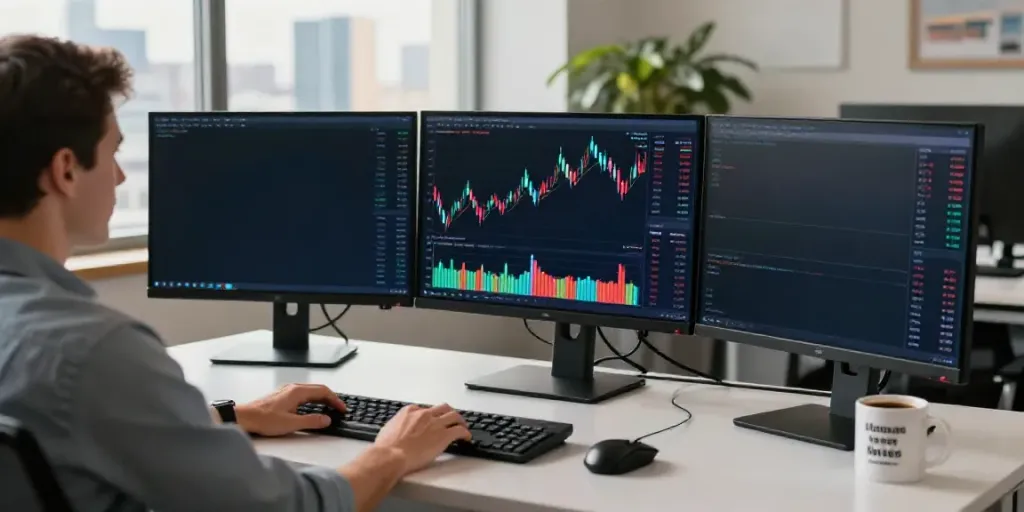
- Advanced Charting Tools: TradingView offers an array of customizable charts that allow users to visualize price movements and market data effectively. Traders can utilize diverse chart types, including candlestick, line, and area charts.
- Comprehensive Analysis Tools: The platform supports complex technical analysis through a wide variety of indicators and drawing tools, enabling traders to make data-driven decisions.
- Social Networking Features: Users can share their trading ideas, strategies, and market insights with the community, fostering collaboration and learning.
- Access to Financial Data: TradingView provides real-time data from multiple exchanges, ensuring that users have up-to-date information to base their trading decisions on.
Why TradingView Stands Out in 2026
As of 2026, TradingView continues to distinguish itself in the crowded marketplace of trading platforms. Its seamless integration of charting, analytics, and social interaction, combined with continuous updates and enhancements, bolsters its reputation. Furthermore, TradingView's commitment to user feedback results in regular updates that align the platform with evolving trader needs, making it an indispensable part of many traders' toolkits.
New Features Introduced in 2026
The year 2026 has seen significant advancements within the TradingView platform, reflecting the needs and demands of modern traders. Major updates focus on enhanced charting capabilities, real-time data integration, and community features that enrich the user experience.
Enhanced Charting Capabilities
One of the standout features introduced in 2026 is the enhanced charting capabilities. Traders can now access even more advanced tools to customize charts to their liking. New chart types, such as Renko and Kagi charts, have been added, providing alternative views of price action that can help traders spot trends and reversals more effectively. Additionally, the introduction of multi-chart layouts allows users to monitor different assets simultaneously, increasing their ability to respond to market changes promptly.
Real-Time Data Integration with Major Brokers
Another significant enhancement is the improved integration with major brokerage firms. This allows users to execute trades directly from TradingView with real-time data feeds, making it more efficient than ever to react to market movements. This feature not only streamlines the trading process but also mitigates the risks associated with delays in data transmission.
Community Features: Trading Ideas and Social Interaction
In 2026, TradingView has amplified its community aspect by introducing new ways for users to interact and share trading ideas. The revamped 'Ideas' section encourages traders to post their analyses and receive feedback from peers, fostering a collaborative trading environment. Community events, webinars, and contests are also being organized to enhance engagement and promote educational initiatives among users.
Best Practices for Using TradingView Effectively
Maximizing the potential of TradingView requires an understanding of best practices that can significantly impact trading success. Here are some strategies to enhance your experience on the platform:
Setting Up Your Trading Environment
A well-organized trading environment is crucial. Customize your dashboard to feature your most-used tools and indicators. Utilize workspace layouts to create different setups for various trading strategies, such as scalping or long-term investing.
Utilizing Alerts and Notifications for Market Moves
TradingView’s alert system is a powerful tool that allows traders to set notifications for specific market conditions. Use alerts to keep track of price levels, indicator signals, or news events that could impact your trades. This proactive approach enables you to act swiftly without constantly monitoring the market.
Analyzing Market Trends with Indicators
Take advantage of TradingView's extensive library of technical indicators. Familiarize yourself with popular indicators like Moving Averages, RSI, and MACD to strengthen your analysis. Combining multiple indicators can provide a more comprehensive view of market trends and improve your decision-making process.
Common Challenges When Using TradingView
While TradingView offers a wealth of features, users often encounter certain challenges that can impede their trading experience. Understanding these issues and how to address them is essential for maximizing the platform's capabilities.
Overcoming Information Overload
With so much data at your fingertips, it’s easy to feel overwhelmed. To combat information overload, focus on a limited number of indicators that align with your trading strategy. Create a routine for analyzing data and stick to it, allowing you to filter out unnecessary noise.
Addressing Technical Issues
Technical issues can arise, especially during high-volatility periods or when new updates are implemented. Familiarize yourself with TradingView’s support resources and community forums to quickly find solutions. Regularly updating your browser and clearing your cache can also help prevent common technical problems.
Dealing with Market Volatility
Market volatility can significantly impact trading outcomes. Use stop-loss orders to protect your investments and maintain discipline by refraining from emotional trading decisions. Embrace the volatility as part of the market dynamics rather than allowing it to deter your strategies.
Future Trends: The Evolution of TradingView
As we look towards the future, it’s clear that TradingView will continue evolving to meet the demands of traders. Several trends are expected to influence the platform’s development in the coming years.
Predictions for Trading Technology Beyond 2026
Trading technology is set to undergo further advancements. Integration with artificial intelligence (AI) for predictive analytics will likely become standard, providing traders with enhanced tools for forecasting market movements and optimizing strategies.
How AI and Machine Learning Will Shape Trading
AI and machine learning are already making waves in trading. By analyzing vast amounts of data, these technologies can identify patterns and trends that human traders might overlook. As TradingView incorporates more AI-driven features, it will empower users to make more informed decisions based on data-driven insights.
Expert Insights on the Future of TradingView
Industry experts predict that TradingView will focus on expanding its educational resources, offering tutorials, and webinars aimed at upskilling both novice and experienced traders. This emphasis on education will ensure that users can fully leverage the platform’s features and improve their trading acumen.