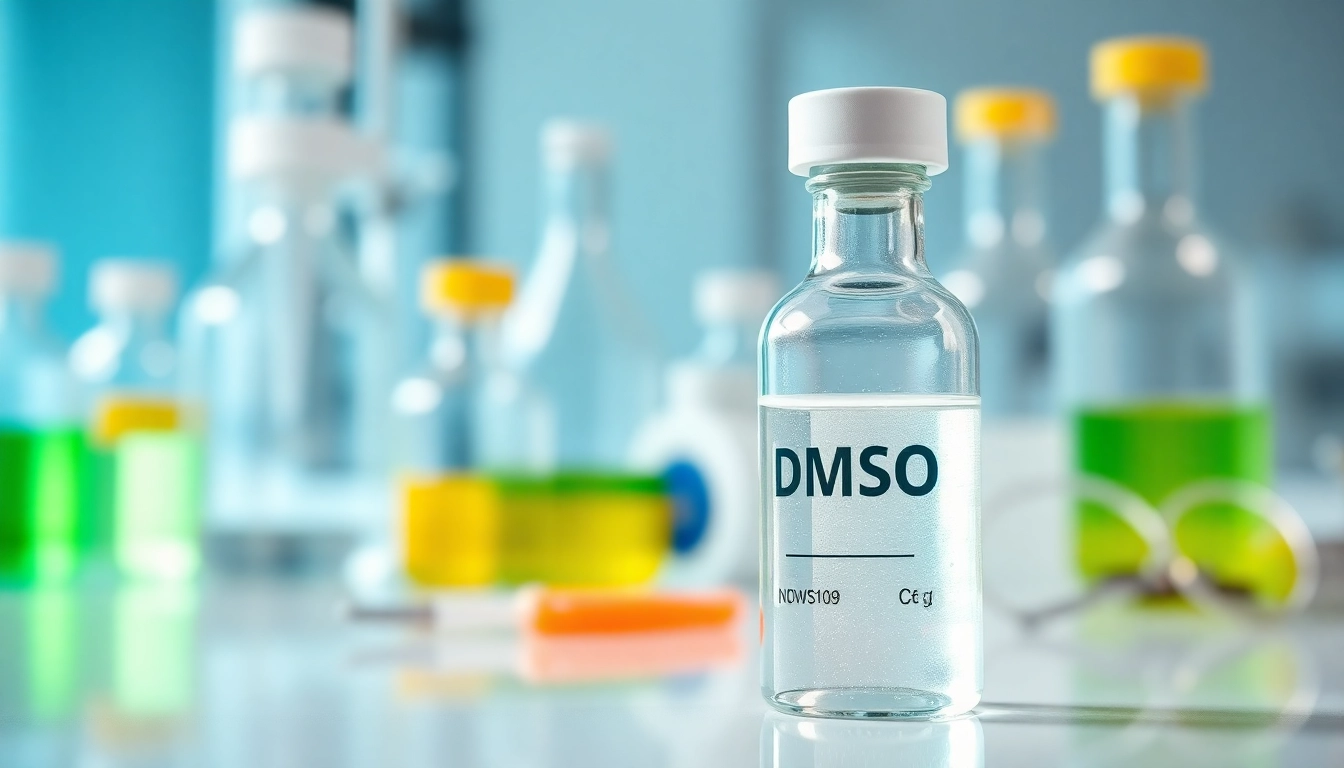
Understanding the DMSO Supplement
What is DMSO and Its Origins?
Dimethyl sulfoxide, commonly referred to as DMSO, is a colorless, oily liquid that serves multiple purposes in both industrial and medicinal contexts. Initially developed as a solvent for chemical reactions in the early 19th century, DMSO has since garnered attention for its therapeutic benefits, particularly in pain management and inflammation reduction. Its unique ability to penetrate biological membranes allows it to carry other substances through the skin, positioning it as a potential delivery vehicle for various medications. Today, it is not just valued for its chemical properties but also as a dietary dmso supplement among some health enthusiasts.
How DMSO Supplement Works in the Body
DMSO works by modulating several biological processes, primarily through its anti-inflammatory and antioxidant properties. When applied topically or ingested, DMSO rapidly diffuses through tissue, potentially aiding in the relief of pain and inflammation. It interacts with cell membranes and has shown a capability to enhance the permeability of drugs, effectively allowing other compounds to enter cells more easily. Moreover, DMSO’s ability to scavenge free radicals contributes to its antioxidative effects, further assisting the body in managing oxidative stress.
Differences Between Medical Use and Supplementation
While DMSO is utilized in medical settings under strict supervision, particularly for treating conditions like interstitial cystitis and certain types of arthritis, supplementation with DMSO in health and wellness contexts is less regulated. Medical-grade DMSO is often sterile and manufactured under specific purity standards, while supplements may vary in quality and formulation. Individuals using DMSO supplements should be aware of these distinctions and preferably consult a healthcare provider before use, ensuring safety and understanding the potential benefits and risks involved.
Benefits of Using a DMSO Supplement
Pain Relief Properties of DMSO Supplement
One of the principal benefits of a DMSO supplement is its ability to relieve pain, particularly chronic pain associated with conditions such as arthritis, sports injuries, and fibromyalgia. Numerous studies suggest that DMSO can significantly decrease pain levels due to its anti-inflammatory properties. By inhibiting the production of inflammatory mediators, DMSO helps reduce sensation of pain, making it especially useful for those who experience persistent discomfort or acute injuries.
Anti-Inflammatory Effects of DMSO Supplement
In addition to alleviating pain, DMSO supplements are recognized for their anti-inflammatory effects. DMSO works at a molecular level to inhibit the pathways that lead to inflammation. This makes it a go-to supplement for athletes dealing with post-exercise soreness or anyone suffering from inflammatory-related conditions. Studies have shown that topical applications of DMSO can reduce inflammation in tissues, leading to faster recovery without the side effects commonly associated with conventional anti-inflammatory drugs.
Potential Benefits for Skin and Muscle Recovery
DMSO is valued in sports and rehabilitation circles for its potential to enhance recovery times after strenuous physical activity. Its ability to penetrate the skin makes it useful for addressing muscle soreness and injuries. Additionally, DMSO has been explored for its benefits in skin health, such as reducing the appearance of scars and improving hydration and elasticity by facilitating the absorption of topical nutrients and medications. This positions DMSO not just as a pain-relief supplement but also as a broader therapeutic agent capable of promoting overall skin and muscle health.
Proper Usage and Dosage of DMSO Supplement
Recommended Dosage Guidelines
When considering a DMSO supplement, dosage is a critical factor to ensure safety and effectiveness. General recommendations suggest starting with a low dosage, typically around 1-5 mL per day, and gradually increasing as needed, while closely monitoring the body's response. It is essential to follow specific product guidelines, as formulations can vary significantly. Consulting with a healthcare provider is advised, especially for individuals with underlying health conditions or those taking other medications.
Methods of Application and Administration
DMSO can be administered in various forms, including topical gels, creams, and liquid solutions. For topical usage, it is commonly used by diluting with water or other safe solvents to reduce potential skin irritation. Users should ensure that the area of application is clean and devoid of contaminants, as DMSO can carry substances through the skin into the bloodstream. When ingested, it should be taken with caution and under medical supervision, particularly to avoid unknown interactions with other supplements or medications.
Important Precautions When Using DMSO Supplement
As with any supplement, there are precautions to consider when using DMSO. Due to its ability to penetrate biological membranes, it can carry impurities from the skin or other substances into the body, which can be harmful. It's crucial to use pharmaceutical-grade DMSO and to perform a patch test on a small skin area prior to widespread use. Additionally, pregnant or nursing women, as well as individuals with conditions such as liver disease or certain cancers, should avoid DMSO unless specifically directed by a healthcare professional.
Possible Side Effects and Risks Associated with DMSO Supplement
Common Reactions to DMSO Supplement
While DMSO is generally considered safe when used appropriately, some individuals may experience side effects. Common reactions can include skin irritation, burning sensations at the application site, or an unusual garlic-like taste in the mouth when taken orally. These side effects can often be mitigated by adjusting the dosage or the concentration of DMSO used. Listening to one's body and stopping use if adverse effects occur is advisable.
Long-Term Use Risks
Long-term use of DMSO supplements has not been extensively studied, which raises concerns about potential cumulative effects. Users may experience changes in liver function with extended use; hence regular monitoring by a healthcare provider is recommended. Withdrawal symptoms may also occur if suddenly discontinued after prolonged use. Those considering long-term supplementation should weigh these risks against the potential benefits and make informed decisions accordingly.
Interactions with Other Medications
DMSO can interact with various medications and supplements, sometimes altering their effectiveness or increasing the risk of side effects. For example, it can enhance the absorption of non-steroidal anti-inflammatory drugs (NSAIDs) and corticosteroids, potentially leading to increased system exposure. A thorough review of all current medications with a healthcare professional is essential prior to starting DMSO supplementation, ensuring that safe practices are implemented.
Frequently Asked Questions about DMSO Supplement
What is DMSO supplement used for?
DMSO supplement is primarily used for pain relief, anti-inflammatory effects, and enhancing skin health. It's often utilized for chronic pain conditions and muscle recovery.
What should I do if I experience side effects from DMSO supplement?
If you experience side effects, discontinue use immediately and consult a healthcare provider. They can guide you on the appropriate steps and possible alternatives.
Is DMSO supplement safe for pets?
DMSO is sometimes used in veterinary medicine but should not be administered to pets without a veterinarian's guidance. Dosage and safety can vary widely among animals.
How does DMSO supplement compare to other pain relief methods?
DMSO is unique due to its ability to penetrate skin and enhance drug absorption. While it may offer faster relief, its effectiveness can vary individually compared to conventional pain relief medications.
Can DMSO supplement be used alongside prescription medications?
DMSO can interact with certain prescription medications, enhancing their absorption and effects. Always consult a healthcare professional before combining DMSO with other treatments.