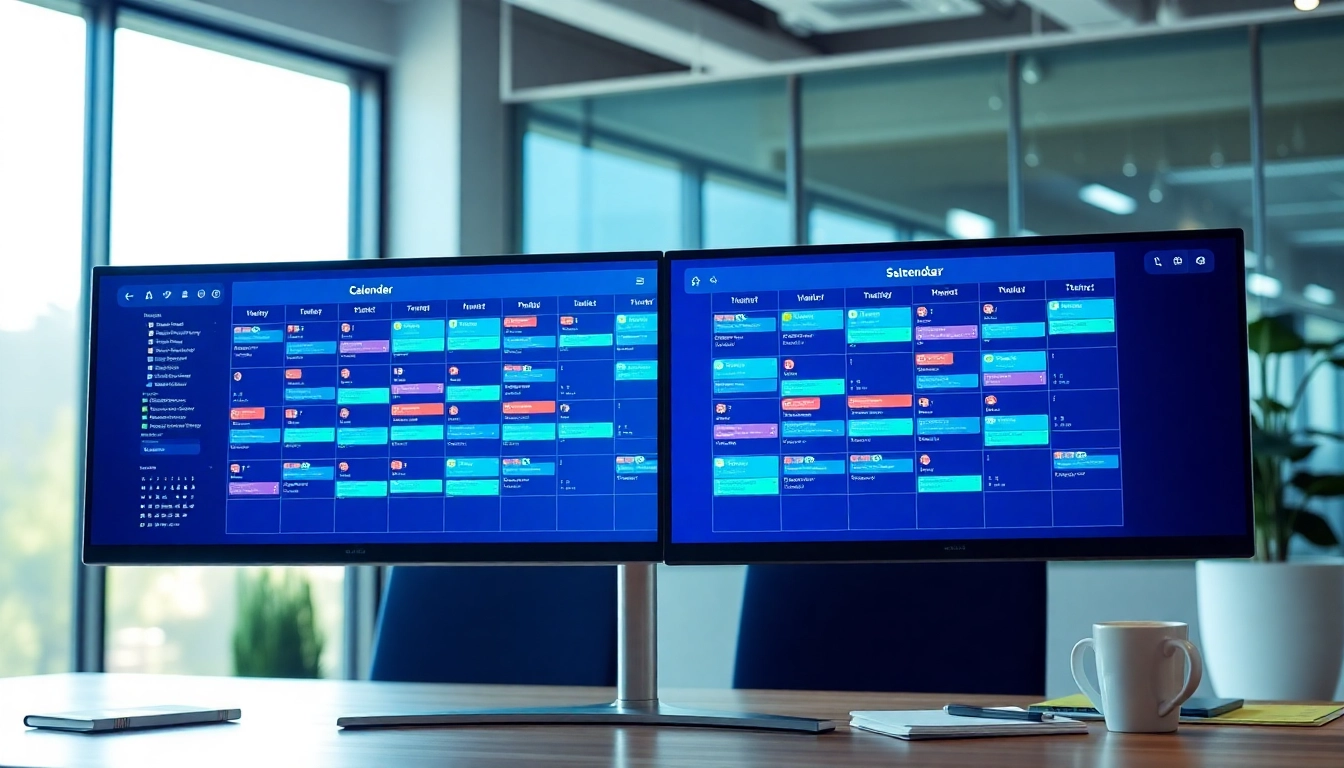
Understanding AI Assistant Multi Calendar Sync
What is AI Assistant Multi Calendar Sync?
In today's fast-paced world, managing multiple calendars can be a daunting task. An AI assistant multi calendar sync simplifies this challenge by allowing users to synchronize various calendars across different platforms seamlessly. This technology leverages artificial intelligence to integrate appointments, events, and reminders in real-time, thereby ensuring that users have up-to-date information at their fingertips.
By using AI, these assistants can analyze schedules, accommodate changes, and prevent conflicts—transforming a cumbersome process into a streamlined experience. This synchronization is not limited to personal calendars; it can also connect work-related commitments, ensuring a comprehensive overview of one’s time management.
Benefits of Multi Calendar Synchronization
The benefits of implementing an AI assistant for multi calendar synchronization are numerous and impactful. Firstly, it enhances productivity by eliminating the need to switch between multiple calendar applications. Users no longer have to manually input events into each platform, saving valuable time and reducing the risk of errors.
Another significant advantage is improved communication. With a unified calendar view, team members can see each other's availability, fostering better collaboration and respect for individual schedules. This is crucial in a remote or hybrid work environment where meetings and collaborative sessions are frequent.
Moreover, AI-driven synchronization can provide valuable insights into how users allocate their time. By analyzing calendar data, these assistants can offer recommendations for scheduling improvements, work-life balance, and even optimal times for focused work sessions or breaks.
Common Use Cases for AI Assistants
AI assistants equipped with multi calendar sync capabilities are utilized across various scenarios. One common use case is for professionals who juggle multiple roles—such as freelancers or consultants—who must balance client meetings, project deadlines, and personal responsibilities. By having all commitments in one place, these individuals can manage their time more effectively.
Another prevalent use case is within teams in organizations. Project managers can monitor team availability across different departments, reducing scheduling conflicts during critical phases of a project. Additionally, educational institutions often leverage AI assistants to sync calendars for students and faculty, helping to coordinate class schedules, exams, and events.
Implementing AI Assistant Multi Calendar Sync
Setting Up Your First Sync
Setting up your first AI assistant for multi calendar sync is a straightforward process. Start by selecting a reliable AI assistant application that supports synchronization across your preferred calendar platforms—such as Google Calendar, Outlook, and Apple Calendar.
After downloading the app, the initial setup involves linking your existing calendars. This typically requires authentication to grant permissions for the AI assistant to access your calendar data. Once linked, the assistant will begin to sync your events and reminders automatically, creating a unified view of your schedule.
Choosing the Right Tools and Platforms
The choice of tools for AI assistant multi calendar sync is crucial for maximizing its benefits. When evaluating options, consider factors such as compatibility with existing calendar systems, ease of use, and the features offered. Some AI assistants also provide unique capabilities like natural language processing, which allows users to add events simply by typing or speaking their requests.
Additionally, look for platforms that offer excellent customer support and community resources. These elements will be invaluable as you navigate any challenges that arise during the synchronization process.
Integration with Existing Systems
A seamless integration process is essential for an effective multi calendar sync experience. Most AI assistants come with robust integration options that allow them to work with various productivity tools, such as task management apps and communication platforms. This connectivity ensures that all aspects of your work and personal life are intertwined.
For example, linking the AI assistant with a task manager can provide context to calendar events, showing you not just when a meeting is scheduled, but also what tasks are due before and after. This holistic view aids in better planning and efficiency.
Best Practices for Effective Calendar Management
Maintaining Work-Life Balance
Effective calendar management is essential in maintaining a healthy work-life balance. Begin by blocking out dedicated time for personal activities, as well as work commitments. An AI assistant can help enforce these boundaries by reminding you of personal events and family time, ensuring they remain a priority amidst a busy schedule.
Additionally, scheduling regular breaks during work hours can prevent burnout and maintain productivity. AI tools can suggest optimal times for these breaks based on your past activity patterns, further enhancing your workflow and mental well-being.
Utilizing Notifications and Reminders
Notifications and reminders play a pivotal role in ensuring appointments are not overlooked. Utilize your AI assistant's capabilities to set up smart reminders that adjust based on your location and time preferences.
For instance, if you have a meeting scheduled, the AI assistant can notify you in advance when it senses heavy traffic on your route. This proactive approach can lead to improved punctuality and reduce the stress associated with last-minute rushes.
Creating a Cohesive Workflow
Creating a cohesive workflow involves integrating your calendar with other productivity tools. An AI assistant can help streamline this process by offering workflows that connect your calendar to email, task lists, and project management tools.
For example, if you receive an email request for a meeting, the assistant can automatically create an entry in your calendar and send a confirmation without requiring manual input. This level of integration enhances efficiency, allowing you to focus on completing tasks rather than managing logistics.
Troubleshooting Sync Issues
Common Problems and Solutions
While syncing calendars, users may encounter issues such as discrepancies between appointments or failed sync attempts. The first step in troubleshooting these problems is to check your internet connection, as a stable link is crucial for proper synchronization.
If conflicts arise, verify that all calendar accounts are correctly linked within the assistant. Often, simply refreshing the app or restarting your device will resolve minor issues. Additionally, consulting the help section for your specific assistant tool can provide solutions tailored to the software.
When to Seek Expert Help
If persistent issues thwart your ability to sync calendars, it may be time to seek expert help. Reach out to the customer support team of your AI assistant provider for troubleshooting assistance. They can help identify software bugs or provide specialized recommendations tailored to your usage habits.
For users operating in corporate environments, engaging your IT department can also be beneficial. They may have the tools and expertise to streamline the setup process or identify organizational policies affecting your calendar sync.
Staying Updated on Software Changes
Keeping your AI assistant and calendar application updated is critical to avoid sync issues. Software updates often include bug fixes, improved functionalities, and new features that enhance the user experience.
Subscribe to newsletters or follow online forums related to your calendar tools to stay informed about any major updates or changes. This knowledge allows you to leverage new capabilities as they become available, optimizing your scheduling processes.
Future Trends in Calendar Synchronization
Advancements in AI Technology
The future of AI assistant multi calendar sync is bright, with advancements in AI technology driving significant improvements. Innovations like machine learning will enable assistants to learn from user behaviors over time, offering highly personalized scheduling recommendations and proactive insights.
Future developments may also cater to individual preferences in a dynamic work environment. For instance, AI could analyze a user’s past scheduling, adapting suggestions based on personal productivity patterns or time of day preferences, leading to more efficient time management.
Emerging Features You Should Know
Emerging features in AI assistants promise to enhance calendar synchronization further. Features like voice activation, deeper integration with third-party applications, and smart meeting planning tools are becoming increasingly common.
Additionally, the introduction of augmented reality (AR) meetings could transform how we interact with calendar events, allowing users to visualize their schedules in 3D environments. This level of interactivity could lead to enhanced productivity and engagement.
Preparing for the Next Generation of Calendar Sync
Preparing for the next generation of calendar synchronization involves being proactive about adopting new technologies and practices. Organizations should invest in ongoing training for employees to familiarize them with these tools.
Staying flexible and open to adopting new sync options will ensure that users can navigate and implement improvements as they arise. By embracing change, individuals can cultivate a more productive work environment and leverage the full potential of AI-driven calendar management solutions.
FAQs
1. What is an AI assistant multi calendar sync?
An AI assistant multi calendar sync allows users to synchronize events and appointments across different calendar platforms seamlessly, reducing conflicts and improving time management.
2. How can I set up the sync?
To set up sync, select an AI assistant, install the app, and authenticate your calendar accounts. This process creates a unified calendar view across platforms.
3. What are the benefits of using multi calendar sync?
Benefits include improved productivity, reduced scheduling conflicts, and enhanced communication by providing a cohesive view of personal and professional commitments.
4. How do I troubleshoot sync issues?
Common troubleshooting steps include checking your internet connection, refreshing the app, and ensuring all calendar accounts are correctly linked.
5. What future trends should I be aware of?
Future trends include advancements in AI technology, personalized scheduling recommendations, and features like voice activation and augmented reality integration for enhanced user experience.