Understanding Custom Enamel Pins
Custom enamel pins have emerged as a versatile and artistic way to express individuality, raise brand awareness, and promote a variety of personal or commercial messages. In 2026, these pins are more than just decorative items; they represent a powerful marketing tool and a canvas for creativity. When exploring options, custom enamel pins provide comprehensive insights into how these products can be tailored to suit unique needs.
What are Custom Enamel Pins?
Custom enamel pins are small, decorative pins made from metal and enamel that can be personalised with a design of your choice. The process involves dyeing metal, filling with coloured enamel, and completing with a protective coating, resulting in a durable and visually appealing product. These pins come in various shapes, sizes, and finishes, enabling them to suit any style or branding need, making them popular across multiple sectors.
Materials and Types of Custom Enamel Pins
The materials typically used for custom enamel pins include zinc alloy, iron, and copper, each offering different qualities. For instance, zinc alloy pins are lightweight and affordable, while copper pins provide a more premium feel. The types of enamel pins range from hard enamel pins, which offer a smooth finish, to soft enamel pins, which feature a textured surface. Understanding the differences can help you choose the right type for your project.
The Popularity and Trends in 2026
As we progress through 2026, the popularity of custom enamel pins shows no signs of waning. Current trends suggest a growing demand for eco-friendly materials, intricate designs, and pins that reflect social causes. Additionally, collaborations with artists and influencers are becoming increasingly common, enriching the diversity within the market and appealing to various age groups and demographics.
Designing Your Custom Enamel Pins
Creating a standout design for your custom enamel pins is crucial. From the initial concept to the final prototype, understanding best practices can significantly impact the appeal and marketability of your pins.
Best Practices for Creative Designs
Begin by conceptualising a unique idea that resonates with your target audience. This involves researching current design trends, colour schemes, and messaging that will appeal to your customers. Keep in mind that simplicity often leads to the most effective designs. Your pin should be easily identifiable, even when viewed from a distance.
Leveraging Software for Design Prototyping
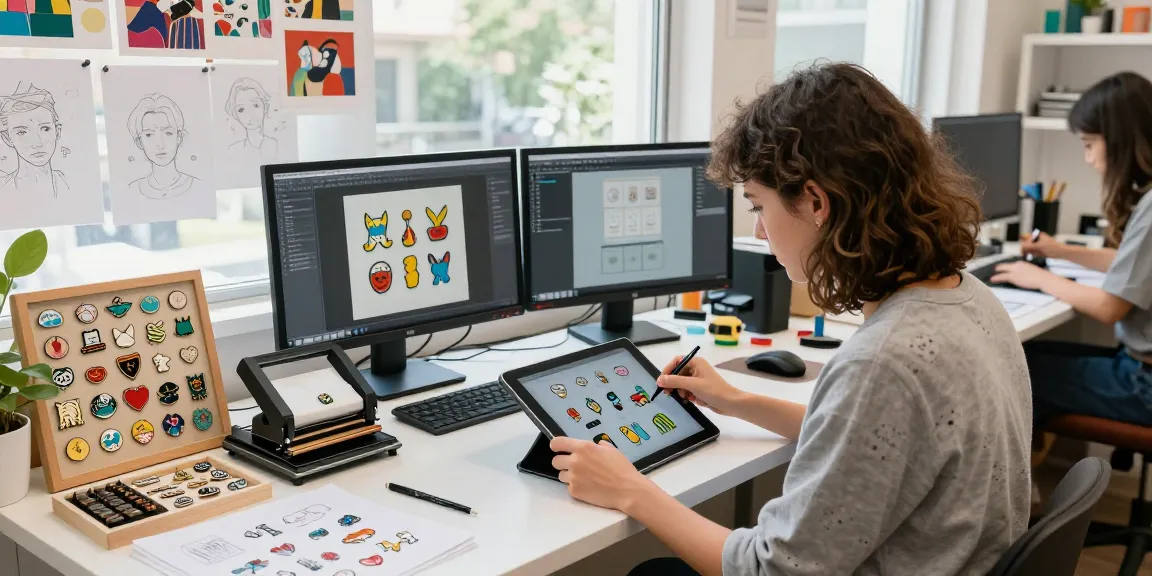
Utilising design software such as Adobe Illustrator or Photoshop can help you create detailed pin designs. These tools allow for precise adjustments in colour, size, and layout, ensuring your vision is accurately depicted. Consider creating multiple prototypes to test different styles before finalising your design.
Common Design Mistakes to Avoid
Avoid overcrowding your design with too many elements or colours, as this can detract from the overall message. Also, ensure that your text is legible and that the design works well in both small and large formats. Failing to consider these aspects can lead to a lack of clarity in your final product.
Manufacturing Process Explained
Understanding the manufacturing process of custom enamel pins can help you set realistic expectations and streamline production timelines.
How Custom Enamel Pins are Made
The production of custom enamel pins typically involves several stages, including design finalisation, mould creation, and enamel filling. Initially, the design is converted into a digital format, which is then transferred to a metal base. After that, the enamel is applied, and the pins are baked for durability. Finally, the pins are polished and packaged for shipment.
Choosing the Right Manufacturer
Selecting a reliable manufacturer is essential for ensuring quality. Look for companies with a strong portfolio, positive customer reviews, and a commitment to ethical manufacturing practices. It can be beneficial to communicate your design expectations clearly to avoid misunderstandings and delays.
Production Timelines and Considerations
Production timelines can vary based on the complexity of the design and the manufacturer's capabilities. Typically, you can expect a lead time of approximately 2-4 weeks from order placement to delivery. Keep in mind that rush orders may be possible for an additional fee, but it’s vital to confirm this with your manufacturer beforehand.
Marketing Your Custom Enamel Pins
Once your custom enamel pins are ready, effective marketing strategies can make all the difference in reaching your target audience and driving sales.
Identifying Your Target Audience
Understanding who your potential customers are is crucial for tailoring your marketing efforts. Consider demographic factors such as age, interests, and buying behaviours. For example, if your design appeals to a younger audience, platforms like Instagram or TikTok may be more effective for promotion.
Effective Sales Channels for 2026
In 2026, e-commerce remains the dominant sales channel for custom merchandise. Setting up an online store through platforms like Shopify or Etsy can provide a user-friendly space for potential customers to browse and purchase your pins. Additionally, local markets and pop-up shops offer opportunities for face-to-face interaction and brand building.
Using Social Media to Drive Engagement
Social media platforms are invaluable for promoting and engaging with your audience. Posts featuring high-quality images of your pins, sharing customer testimonials, and running contests can all increase visibility. It’s also wise to collaborate with influencers who can introduce your brand to their followers.
Measuring Success and Future Trends
To ensure the ongoing success of your custom enamel pin business, it's crucial to measure performance and stay ahead of industry trends.
Key Metrics for Pin Sales Performance
Track metrics such as sales volume, customer feedback, and website traffic to assess your business performance. Analysing these metrics can help identify successful strategies and areas for improvement, guiding your future efforts.
Emerging Trends in Custom Merchandising
The custom merchandise landscape is rapidly evolving. Notable trends include the rise of sustainable and ethical production methods, as consumers increasingly seek eco-friendly options. Moreover, there is a growing interest in personalised items that tell a story or connect with specific cultural moments.
Future Predictions for the Custom Enamel Pins Market
Experts predict that the custom enamel pins market will continue to expand, driven by the increasing demand for unique, personal items. As technology advances, it’s likely that new printing techniques will allow for even more intricate and diverse designs, appealing to a wider audience.
What are custom enamel pins used for?
Custom enamel pins can be used for a variety of purposes, including promotional giveaways, fundraising events, personal collections, and as fashion accessories. Their versatility makes them suitable for businesses, organizations, and individuals alike.
How can I market my custom enamel pins effectively?
Effective marketing strategies include identifying your target audience, leveraging social media platforms for promotion, and utilising e-commerce for sales. Building strong relationships with customers through excellent service can also enhance your brand reputation.
What materials are best for enamel pins?
Choosing materials such as zinc alloy or copper can significantly impact the quality and look of your pins. Zinc alloy is typically more affordable, while copper offers a premium finish but at a higher cost, making it suitable for limited edition offerings.
How long does it take to manufacture custom enamel pins?
Generally, the manufacturing process for custom enamel pins can take between 2 to 4 weeks, depending on design complexity and production capacity. It’s advisable to discuss timelines with your manufacturer to plan accordingly.