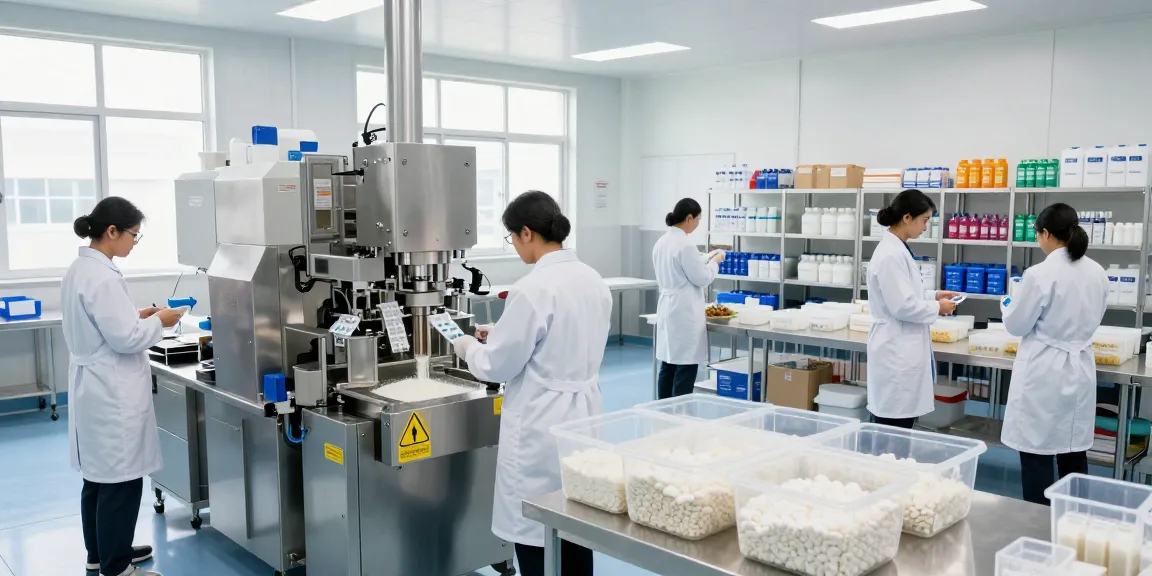
Understanding Pharmaceutical Manufacturing in South Africa
The pharmaceutical manufacturing landscape in South Africa is evolving rapidly, necessitating a keen understanding of its various facets, especially for companies looking to partner with established leaders. As a pivotal player in this sector, DivPharm has capitalized on its extensive experience since 1991 to deliver high-quality pharmaceutical contracting services. When exploring options, pharmaceutical manufacturing company south africa can provide comprehensive insights into local expertise, compliance, and industry standards.
What is a Pharmaceutical Manufacturing Company?
A pharmaceutical manufacturing company specializes in the production of medications and health-related products, adhering to strict regulatory standards set forth by governing bodies. These companies engage in contract manufacturing, providing an array of services from formulation development to final packaging, ensuring that all products meet the rigorous demands of the market.
In South Africa, these companies are instrumental in supporting both local and international pharmaceutical brands. They offer comprehensive services that encompass the entire lifecycle of pharmaceutical products, ensuring a streamlined process from research and development through to distribution.
Key Services Offered by Pharmaceutical Manufacturers
Pharmaceutical manufacturers deliver a variety of essential services tailored to meet the unique needs of their clients. Key services include:
- Contract Manufacturing: Producing medications on behalf of other pharmaceutical companies.
- Research and Development: Innovating new products and improving existing formulations.
- Quality Assurance and Control: Ensuring products are manufactured to the highest standards and comply with Good Manufacturing Practices (GMP).
- Packaging: Providing safe and effective packaging solutions including blister packaging, labeling, and secondary packaging.
Importance of Compliance and Regulations
Compliance with local and international regulations is crucial in the pharmaceutical industry. Regulatory bodies like the South African Health Products Regulatory Authority (SAHPRA) oversee and enforce stringent guidelines to ensure the safety, efficacy, and quality of pharmaceuticals. Adherence to these regulations not only protects public health but also enhances a company’s reputation in the competitive market.
Core Processes in Pharmaceutical Manufacturing
Blister Packaging Techniques and Innovations
Blister packaging is a critical component of pharmaceutical manufacturing, designed to protect medications from external factors while ensuring ease of use. Innovations in blister technology, such as the use of child-resistant features and advanced materials that extend shelf life, are transforming how products are packaged and presented.
Powder Filling and Liquid Extraction Systems
Efficient powder filling and liquid extraction are vital processes in pharmaceutical manufacturing. These techniques require precision to ensure that correct dosages are administered, which is crucial for patient safety. Modern technology improves these processes, minimizing errors and enhancing production efficiency.
Packaging Quality Control Measures
Quality control measures are indispensable in pharmaceutical manufacturing, ensuring that each product meets predefined standards before reaching the market. This includes regular testing and validation of packaging materials and processes, which is essential for maintaining compliance with regulatory bodies.
Safety and Quality Assurance in Pharmaceutical Production
Good Manufacturing Practices (GMP) Standards
Good Manufacturing Practices (GMP) are the backbone of pharmaceutical production. These guidelines encompass all aspects of the manufacturing process, including the cleanliness of facilities, staff training, and equipment maintenance. Compliance with GMP ensures that products are consistently produced and controlled according to quality standards.
Role of Quality Control in Ensuring Safety
Quality control plays a vital role in safeguarding public health, as it involves rigorous testing of raw materials, in-process materials, and finished products. By maintaining strict quality control protocols, pharmaceutical contractors can ensure that their products are safe for consumption and effective in treating intended conditions.
Regulatory Compliance with SAHPRA Guidelines
The South African Health Products Regulatory Authority (SAHPRA) requires all pharmaceutical manufacturers to comply with specific guidelines to ensure product integrity. These regulations govern everything from manufacturing practices to advertising, and adherence is critical for maintaining market access.
Technological Advancements in Pharmaceutical Manufacturing
Automation and Its Impact on Efficiency
Automation has revolutionized the pharmaceutical industry by increasing efficiency and reducing human error. Automated systems streamline various processes from manufacturing to packaging, allowing for faster production rates and consistency in quality.
Innovative Packaging Solutions for Pharmaceuticals
Innovation in packaging solutions is essential for protecting pharmaceutical products and enhancing user experience. Developments such as biodegradable packaging and tamper-evident designs not only meet regulatory requirements but also respond to consumer preferences for sustainability.
Future Trends in Pharmaceutical Technology
The future of pharmaceutical manufacturing will likely see a greater integration of artificial intelligence and machine learning, enhancing predictive analytics and quality assurance. These technologies will enable manufacturers to respond more nimbly to market demands while maintaining rigorous standards of safety and quality.
Choosing the Right Pharmaceutical Manufacturing Partner
Evaluating Manufacturer Credentials and Experience
When selecting a manufacturing partner, it is imperative to assess their credentials and experience in the industry. Look for certifications such as ISO and GMP, as well as past performance records, to gauge reliability and quality.
Understanding Client Needs and Custom Solutions
Each pharmaceutical client has unique requirements. A successful partnership hinges on the manufacturer's ability to understand and tailor solutions that meet these specific needs, whether in formulation, packaging, or regulatory compliance.
Case Studies of Successful Partnerships
Success stories between pharmaceutical companies and manufacturers illustrate the importance of collaboration. Case studies can showcase how strategic partnerships have led to improved product launches, enhanced quality assurance, and increased market presence.
What are the Benefits of Working with a Pharmaceutical Manufacturer?
Collaborating with a pharmaceutical manufacturer allows companies to leverage expertise, reduce operational costs, and increase production efficiency. Manufacturers bring in-depth knowledge of regulatory compliance, helping clients navigate complex regulations smoothly.
How Do Pharmaceutical Contractors Ensure Compliance?
Pharmaceutical contractors employ numerous strategies to ensure compliance with regulations, including regular audits, staff training, and robust quality management systems. These practices not only mitigate risks but also foster a culture of accountability within the organization.
What Are Common Challenges in Pharmaceutical Manufacturing?
Challenges in pharmaceutical manufacturing include maintaining compliance with evolving regulations, managing supply chain disruptions, and addressing quality control issues. Staying ahead of these challenges necessitates proactive strategies and continuous improvement practices.
What Technologies Are Revolutionizing Pharmaceutical Production?
Emerging technologies such as IoT (Internet of Things), blockchain for supply chain transparency, and advanced data analytics are revolutionizing pharmaceutical production. These innovations enhance traceability and facilitate swift responses to market changes.