
Introduction
Hydroelectricity is one of the most reliable and established forms of renewable energy, playing a critical role in global efforts to transition toward sustainable power systems. As demand for clean energy continues to grow, Hydroelectricity has become a cornerstone of national energy strategies, especially in regions with abundant water resources like New Zealand. At Skye Design Construct NZ, the focus on Hydroelectricity Infrastructure Design and Management Solutions reflects a commitment to delivering technically advanced, environmentally responsible, and economically viable energy projects. Hydroelectricity projects require precision engineering, detailed planning, and long-term operational management to ensure efficiency and sustainability. This article explores how Hydroelectricity infrastructure design and management solutions support successful project delivery, from concept development to ongoing maintenance, while highlighting the importance of Hydroelectricity in modern energy systems.
Understanding Hydroelectricity Infrastructure
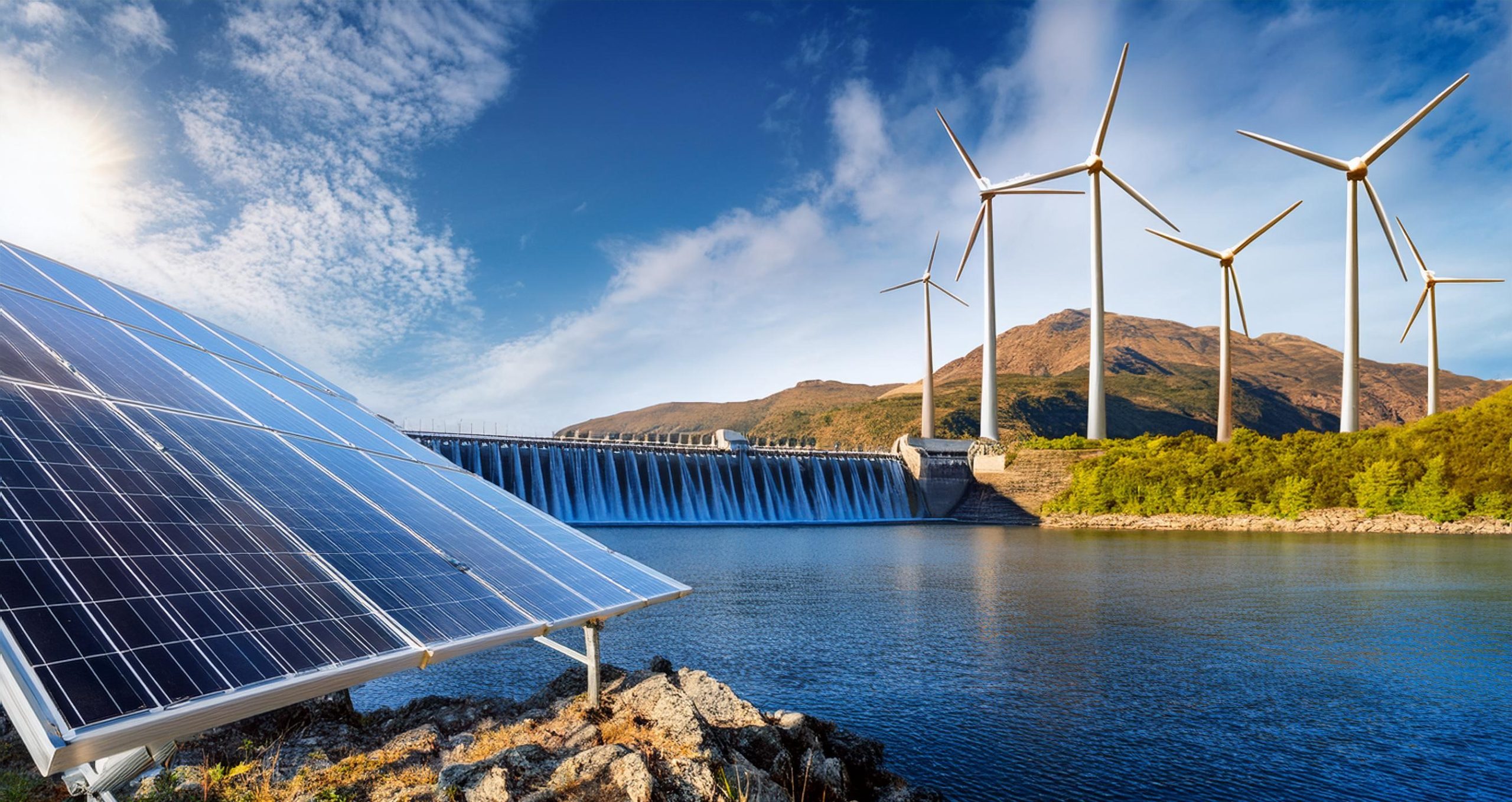
Hydroelectricity infrastructure refers to the systems and structures used to generate electricity from flowing or stored water. This includes dams, reservoirs, turbines, powerhouses, spillways, and transmission systems. Hydroelectricity projects are complex and require multidisciplinary coordination to ensure safety, efficiency, and environmental protection. Hydroelectricity infrastructure must be carefully designed to handle water flow variations, geological conditions, and long-term operational demands. Effective Hydroelectricity design ensures maximum energy output while minimizing environmental impact and construction risks.
Hydroelectricity is unique compared to other renewable energy sources because it provides consistent base-load power. Unlike solar or wind energy, Hydroelectricity can be controlled and adjusted based on demand, making it a vital component of national grids. Proper Hydroelectricity infrastructure design ensures this flexibility is fully optimized.
Importance of Hydroelectricity Design and Management Solutions
Hydroelectricity projects require a comprehensive approach that integrates engineering, environmental science, and project management. Hydroelectricity infrastructure design and management solutions ensure that every phase of a project is carefully planned and executed. This includes feasibility studies, site analysis, hydraulic modelling, structural engineering, and environmental assessments.
At Skye Design Construct NZ, Hydroelectricity solutions are developed to align with both technical requirements and regulatory standards. Hydroelectricity projects must comply with strict environmental and safety regulations, making professional management essential. Hydroelectricity infrastructure design also plays a crucial role in reducing long-term operational costs and improving efficiency.
Hydroelectricity management solutions focus on optimizing performance throughout the lifecycle of a project. This includes monitoring water flow, maintaining equipment, upgrading systems, and ensuring continuous energy production. Hydroelectricity infrastructure must be resilient and adaptable to changing environmental conditions, making ongoing management a critical component.
Key Components of Hydroelectricity Infrastructure Design
Hydroelectricity infrastructure design involves several interconnected components. Each element must be carefully engineered to ensure system efficiency and reliability. Hydroelectricity dam structures must be designed to withstand immense water pressure while maintaining structural integrity. Turbine systems must be selected based on water flow characteristics to maximize energy conversion efficiency.
Hydroelectricity spillways are essential for managing excess water during flood conditions, protecting both infrastructure and surrounding environments. Hydroelectricity transmission systems ensure that generated power is efficiently distributed to end users. Every aspect of Hydroelectricity infrastructure design must be optimized to achieve maximum performance.
Hydroelectricity site selection is another critical factor. Engineers must evaluate topography, hydrology, and environmental impact before initiating construction. Hydroelectricity feasibility studies help determine whether a location is suitable for development, ensuring long-term project viability.
Hydroelectricity Project Management and Lifecycle Support
Hydroelectricity project management involves overseeing every stage of development, from initial planning to decommissioning. Hydroelectricity projects are long-term investments that require continuous oversight and strategic decision-making. Effective Hydroelectricity management ensures projects remain on schedule, within budget, and compliant with regulations.
Hydroelectricity lifecycle management includes design, construction, operation, maintenance, and eventual upgrading or replacement. Hydroelectricity infrastructure must be regularly inspected to ensure safety and performance standards are met. Predictive maintenance strategies help identify potential issues before they become costly problems.
Hydroelectricity project managers coordinate multidisciplinary teams, including engineers, environmental consultants, and construction specialists. This ensures that Hydroelectricity projects are delivered efficiently and sustainably. Risk management is also a key aspect of Hydroelectricity project delivery, helping to mitigate potential environmental and operational challenges.
Environmental and Economic Benefits of Hydroelectricity
Hydroelectricity is widely recognized as one of the cleanest forms of energy production. It produces minimal greenhouse gas emissions and relies on a renewable resource—water. Hydroelectricity infrastructure design must prioritize environmental protection, ensuring ecosystems are preserved and water quality is maintained.
Hydroelectricity projects also provide significant economic benefits. They create jobs during construction and operation, support local economies, and provide long-term energy stability. Hydroelectricity infrastructure contributes to energy independence, reducing reliance on fossil fuels and imported energy sources.
Hydroelectricity systems are also highly efficient, with modern facilities converting more than 90% of available energy into electricity. This makes Hydroelectricity one of the most cost-effective renewable energy solutions available today.
Engineering Challenges in Hydroelectricity Projects
Hydroelectricity infrastructure design comes with several engineering challenges. Hydroelectricity projects must account for geological variability, water flow fluctuations, and seismic activity. Designing durable structures that can withstand extreme environmental conditions is essential.
Hydroelectricity construction often takes place in remote or difficult-to-access locations, adding logistical complexity. Hydroelectricity engineers must also ensure that fish migration and aquatic ecosystems are not disrupted. Advanced Hydroelectricity design solutions incorporate fish ladders, bypass systems, and environmental flow controls.
Hydroelectricity cost management is another challenge, as large-scale infrastructure projects require significant investment. Effective planning and design help control costs while maintaining quality and performance standards.
Innovation in Hydroelectricity Infrastructure Design
Modern Hydroelectricity infrastructure design is increasingly driven by innovation and technology. Digital modelling, artificial intelligence, and real-time monitoring systems are transforming how Hydroelectricity projects are designed and managed. These technologies allow engineers to simulate water flow, predict energy output, and optimize system performance before construction begins.
Hydroelectricity smart monitoring systems enable operators to track performance data in real time, improving efficiency and reducing downtime. Hydroelectricity automation systems also enhance operational control, allowing for remote management of power generation facilities.
At Skye Design Construct NZ, Hydroelectricity infrastructure design and management solutions incorporate advanced engineering tools to deliver high-performance renewable energy systems.
Conclusion
Hydroelectricity remains a vital component of global renewable energy strategies, offering reliable, efficient, and environmentally friendly power generation. Hydroelectricity infrastructure design and management solutions are essential for ensuring that projects are delivered successfully from concept through to operation. With careful planning, advanced engineering, and ongoing management, Hydroelectricity systems can provide long-term energy security and economic benefits. At Skye Design Construct NZ, Hydroelectricity expertise ensures that every project is designed with precision, sustainability, and performance in mind, supporting the continued growth of renewable energy infrastructure.