Understanding the Concept of Age Perception
The question of "how old do I look" is more than just a simple query; it's a reflection of how we perceive ourselves and how we wish to be perceived by others. Age perception can influence various aspects of life, from personal relationships to professional opportunities. In an age where technology intersects with our self-image, the ability to gauge age through AI has become a popular trend, prompting many to explore their perceived age through online platforms. When exploring options, how old do I look provides comprehensive insights into this phenomenon.
What Does "How Old Do I Look" Mean?
"How old do I look" is often a lighthearted inquiry we make of friends or even ourselves. However, it touches on deeper psychological aspects of identity and self-worth. Our age, as perceived by others, can affect our confidence and social interactions. This phrase embodies the human desire for validation; we often seek reassurance that we look youthful or at least appropriate for our age group.
The Psychology Behind Age Estimation
Age estimation is not merely a matter of physical appearance; it encompasses a myriad of factors including cultural beliefs, societal norms, and even personal biases. Studies have shown that individuals often overestimate or underestimate others’ ages based on facial features such as skin elasticity, wrinkles, and even the style of a person's hair. Additionally, psychological studies reveal that self-perception can be altered through these estimations, creating a feedback loop that influences how we present ourselves and how we are treated in society.
Why People Care About Age Perception
Age perception plays a pivotal role in social dynamics. For many, looking younger can correlate with feelings of vitality and attractiveness, impacting both personal relationships and professional prospects. In today's digital age, where first impressions are often made online, the pressure to maintain a youthful appearance has intensified. This societal fixation contributes to the popularity of applications and tools designed to help individuals gauge their perceived age.
How Technology Shapes Age Guessing
The rise of technology has introduced various tools that allow users to assess their perceived age through facial recognition and AI algorithms. These tools analyze photos to estimate biological age based on various features such as skin texture, facial contours, and even emotional expressions. The accessibility of these technologies means that anyone can engage with the question of age perception playfully and informatively.
Overview of Age Estimation Apps and Tools
Numerous applications and websites offer the ability to determine how old you look with just a photo upload. Services like FaceAge.ai, Fotor, and BeautyPlus utilize cutting-edge AI algorithms to analyze facial features and provide an estimated age. These platforms have become popular not only for their accuracy but also for the enjoyment they bring to users curious about how their appearance aligns with societal expectations of age.
Reliability of AI in Age Detection
While age detection technologies have made significant strides, it's important to approach their results with caution. AI algorithms are trained on vast datasets, which can sometimes lead to inaccuracies based on bias inherent in the data. Factors such as skin color, ethnicity, and even the angle of a photograph can affect results. Therefore, while such tools can provide entertaining insights, they should not be seen as definitive estimates of age.
Privacy Considerations in Using Age Estimation Technology
With the convenience of online age estimation tools comes the concern of privacy. Many applications require access to personal photos, raising questions about data security and how this information is stored and used. Users should critically evaluate the privacy policies of these services and consider using platforms that prioritize user data protection.
Pros of Using Age Estimation Tools
Despite the potential drawbacks, age estimation tools come with several advantages that appeal to a wide audience. Many find the process engaging and entertaining, providing an enjoyable distraction in an age-conscious world.
Fun and Engaging User Experience
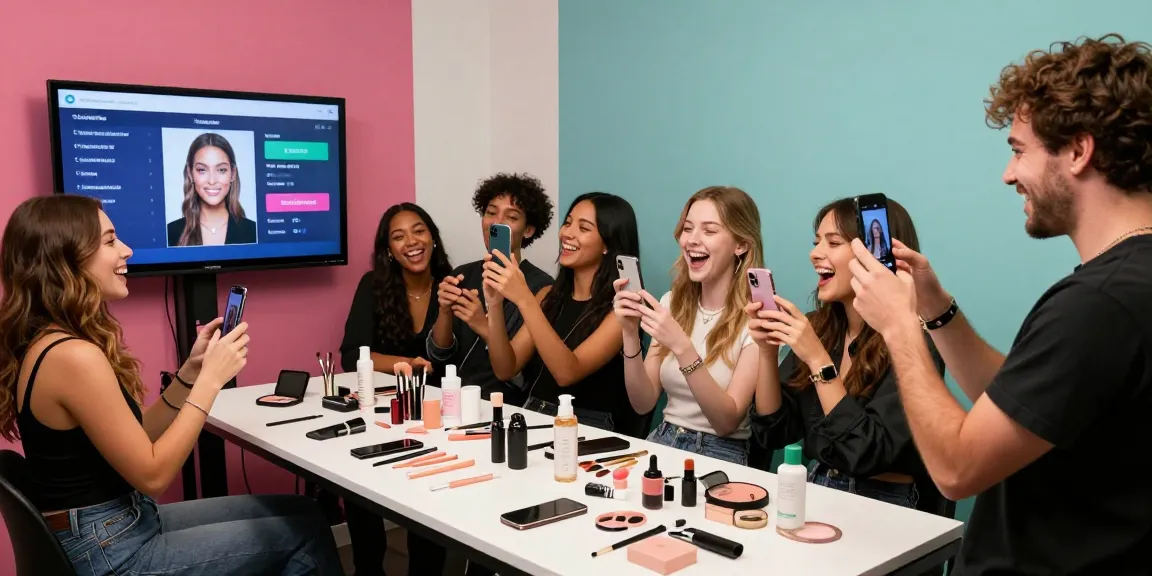
For many, using an age estimator is akin to taking a fun quiz or a lighthearted social media post. The interactive nature of these tools encourages users to share their results with friends and family, fostering connection and laughter. This engagement can transform a mundane day into a moment of joy, making the use of such technologies socially rewarding.
Boosting Self-Confidence through Positive Feedback
Receiving a favorable age estimation can significantly bolster an individual's confidence. Many users report feeling validated when they receive an age guess that matches or even underestimates their actual age. This positive feedback can impact self-esteem, encouraging individuals to maintain healthy lifestyle choices that promote a youthful appearance.
Connecting with Others via Social Media
Age estimation tools have also gained traction on social media platforms, where users often share their results. This trend not only encourages playful banter among friends but also creates community bonds around shared experiences of age perception. The viral nature of such posts can spark conversations about aging, beauty standards, and self-acceptance among diverse age groups.
Cons and Limitations of Age Guessing
While there are notable benefits to using age estimation tools, it's essential to acknowledge their limitations and potential negative effects on individuals' self-perception.
Potential for Misleading Results and Impact on Self-Perception
One of the most significant drawbacks of age estimation tools is their potential to produce misleading results. A miscalculation could lead to feelings of inadequacy or insecurity, particularly for those who may already be conscious of their appearance or age. It is vital for users to understand that these tools are not definitive and should not dictate one’s self-worth.
Ethical Concerns and Privacy Issues
In addition to individual privacy concerns, there are broader ethical implications surrounding the use of AI technologies for age estimation. Issues of consent, bias, and the implications of reinforcing ageist stereotypes must be carefully considered. As society increasingly embraces these technologies, discussions surrounding their ethical deployment will become even more crucial.
The Risk of Overemphasis on Appearance
Focusing excessively on perceived age can lead to an unhealthy relationship with one’s appearance. The societal pressure to appear youthful may encourage individuals to engage in potentially harmful practices, such as excessive cosmetic procedures or unhealthy lifestyle choices. Balancing self-acceptance with the use of age estimation tools is key to fostering a healthy self-image.
The Future of Age Estimation: Trends for 2026 and Beyond
As technology continues to evolve, the future of age estimation tools appears promising. With advancements in machine learning and artificial intelligence, these tools are likely to become more accurate and nuanced in their assessments.
Advancements in AI Technology for Better Accuracy
In the coming years, AI technology is expected to make further strides in terms of accuracy. Improved datasets and more sophisticated algorithms will likely lead to calculations that better align with biological age, taking into account factors like lifestyle and health that are often overlooked in current models.
Emerging Social Trends in Age Perception
The conversation around age perception is evolving, with an increasing focus on celebrating aging as a positive experience. As societal norms shift, age estimation tools may pivot from merely guessing age to celebrating the wisdom and beauty that come with it. This transition could redefine how tools are marketed and perceived by users.
How to Use Age Estimation Tools Responsibly
For those who decide to engage with age estimation tools, there are ways to do so healthily and responsibly. It’s crucial to approach results with a critical mindset and to prioritize self-acceptance over external validation. Users should enjoy the novelty of these tools while being aware of their limitations and the potential impact on self-esteem and body image.
What are the Most Popular Age Estimation Apps?
Several applications have gained popularity in the realm of age estimation, including FaceAge.ai, Fotor, and BeautyPlus. Each of these tools offers unique features, allowing users to choose based on their preferences for accuracy, user experience, and privacy.
Is There a Risk of Privacy Issues with Age Estimations?
Privacy remains a significant concern as these applications often require users to upload personal images. Before using any age estimation tool, it's essential to review the privacy policies and ensure that user data is handled securely.
How Accurate are AI Tools in Guessing Age?
While AI tools for age estimation are improving, their accuracy can still be affected by various factors. Users should use these tools for entertainment rather than relying on them for definitive assessments of age.
Can I Rely on Age Guessers for Self-Esteem Boosts?
While receiving a flattering age estimate can provide a temporary boost in self-esteem, users should consider cultivating self-acceptance independently of external validation. Building a positive self-image comes from within and should not solely depend on perceptions of age.
What are the Ethical Implications of Predicting Age?
The ethical considerations surrounding age prediction technology include concerns about bias, misrepresentation, and the reinforcement of societal stereotypes. As these tools become more prevalent, it’s crucial that developers and users engage in dialogues about their implications.