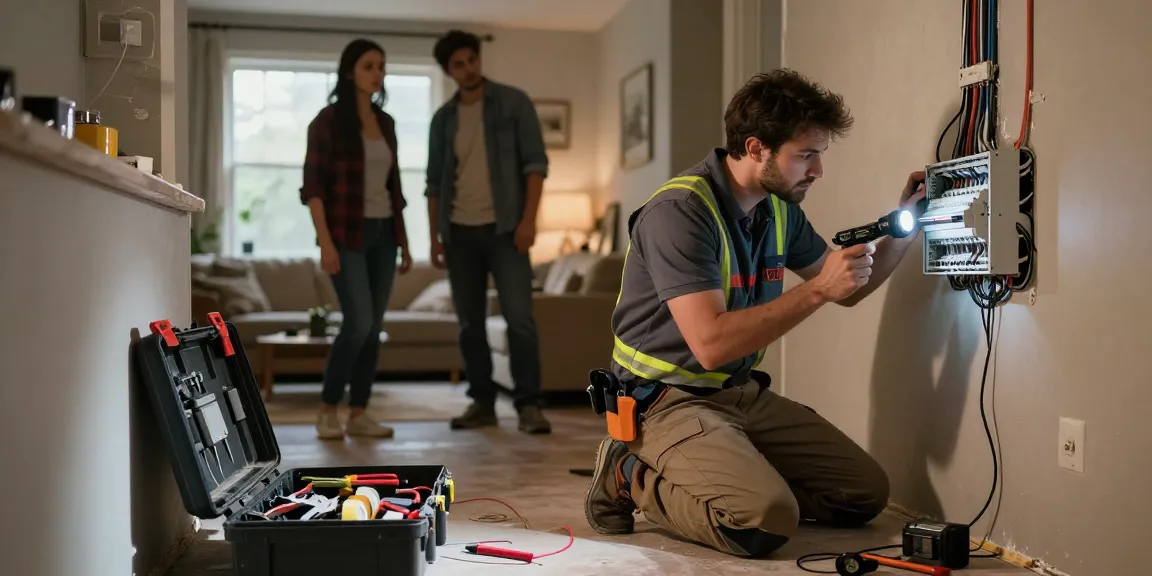
Understanding the Importance of Emergency Electrical Services
In today’s fast-paced world, electrical emergencies can arise without warning, creating hazards that not only disrupt daily life but also pose significant safety risks. Whether it’s a sudden power outage, a dangerous electrical fault, or a flickering light that signals deeper issues, it's crucial to have access to quality emergency electrical services. With the right emergency electrician, you can ensure timely interventions that minimize damage and provide peace of mind in dire circumstances. When exploring options, kirstenpricexxx.com offers comprehensive insights into emergency responses tailored to your needs.
What Constitutes an Electrical Emergency?
Electrical emergencies encompass a range of situations where immediate attention is required to avert potential hazards. Common scenarios include:
- Power outages affecting a single circuit or an entire building.
- Burning smells or unusual noises coming from electrical outlets.
- Flickering lights that may indicate faulty wiring or overloaded circuits.
- Tripped circuit breakers that keep resetting, which can signify underlying problems.
- Electrical shocks or tingling sensations when touching appliances or outlets.
Understanding these situations is vital for homeowners and businesses alike, as quick action can prevent injuries and costly damages.
Recognizing the Signs of Electrical Issues
A key aspect of preventing electrical emergencies is recognizing the early signs of trouble. Homeowners should be vigilant about:
- Frequent tripping of breakers or blown fuses, indicating overloads.
- Burn marks or discoloration at outlets, signaling potential wiring issues.
- Inconsistent power supply, which could mean problems in the main electrical system.
- Strange odors, particularly burning smells, often indicating overheating components.
These warning signs should never be ignored; they often serve as precursors to more severe electrical failures.
The Impact of Delays in Electrical Repairs
Delaying electrical repairs can lead to escalating problems that affect not just your home but also your safety. Some potential consequences include:
- Increased risk of electrical fires due to faulty wiring or overloaded circuits.
- Higher repair costs as small issues compound into major disruptions.
- Inconvenience caused by prolonged power outages or malfunctioning appliances.
- Potential health risks associated with exposed wiring or faulty electrical systems.
Taking immediate action can save you time, money, and most importantly, keep your family safe.
How to Choose the Right Emergency Electrician
Selecting the right emergency electrician is crucial for ensuring that your electrical problems are resolved safely and efficiently. It’s essential to consider various factors that demonstrate a contractor’s reliability and expertise.
Key Qualifications to Look For
When searching for an emergency electrician, prioritize those who possess the necessary certifications and qualifications. This includes:
- Licensure to operate in your area, ensuring they meet local safety standards.
- Insurance coverage to protect you and the contractor in case of accidents.
- Membership in professional organizations which often require adherence to a code of ethics.
These qualifications not only reinforce the professional’s credibility but also guarantee a level of expertise in handling various electrical situations.
Evaluating Experience and Certifications
Experience plays a significant role in determining the quality of service. Look for electricians with a proven track record in emergency situations. Questions to consider include:
- How many years have they been in the electrical industry?
- What types of emergencies have they handled successfully in the past?
- Do they have certifications in specialized areas, such as residential or industrial electrical work?
Choosing an electrician with specific experience in your situation can significantly affect the outcome of the repairs.
Reading Customer Reviews and Testimonials
Before making a decision, take the time to read customer reviews and testimonials. Platforms such as Google, Yelp, or Angie's List can offer insights into previous clients' experiences. Look for patterns in feedback regarding:
- Response time during emergencies.
- Quality of work and thoroughness of repairs.
- Professionalism and customer service.
These reviews can provide a clearer picture of what to expect when hiring an emergency electrician.
Common Emergency Electrical Problems and Solutions
Understanding the most frequent electrical issues can equip homeowners with the knowledge to address and report problems effectively.
Tripped Circuit Breakers
A tripped circuit breaker is often one of the first signs of electrical trouble. Common causes include:
- Overloaded circuits due to too many devices connected at once.
- Faulty appliances that may draw excess power.
- Short circuits caused by damaged wiring or corrosion.
To address these issues safely, always reset the breaker once it trips, but consult a professional if it recurs frequently.
Flickering Lights and Their Causes
Flickering lights can be indicative of various underlying issues, such as:
- Loose lightbulbs or connections that need tightening.
- Faulty wiring, which may require immediate professional evaluation.
- Voltage fluctuations from the power supply, often signaling issues outside your home.
Addressing flickering lights promptly can prevent more significant electrical failures down the line.
Power Outages: Immediate Actions to Take
In the event of a power outage, follow these guidelines to ensure safety and minimize inconvenience:
- Check if the outage is localized to your property or affects your neighborhood.
- Turn off appliances to avoid potential damage when power returns.
- Use flashlights instead of candles to prevent fire hazards.
Keep a list of important phone numbers, such as your emergency electrician, readily accessible for quick action when needed.
Best Practices for Home Electrical Safety
Maintaining a safe electrical environment at home requires diligence and regular assessments. Here are some best practices to implement:
Regular Maintenance Checks
Schedule regular inspections of your electrical systems to identify potential issues before they escalate. Key areas to review include:
- Wiring integrity and insulation condition.
- Functionality of smoke detectors and circuit breakers.
- Appliance condition and their electrical connections.
Preemptive maintenance can help mitigate hazards significantly.
Understanding Your Home's Electrical System
Familiarity with your home's electrical system empowers you to recognize abnormal behavior. Key components to understand include:
- Breaker panel layout and circuit function.
- Location of major electrical appliances and their power needs.
- Understanding the potential load capacity of circuits in use.
Being informed can prepare you to act swiftly during emergencies.
Installing Safety Devices for Prevention
Integrate safety devices in your home to enhance electrical safety:
- Ground Fault Circuit Interrupters (GFCIs) in wet areas like kitchens and bathrooms.
- Surge protectors to protect devices from voltage spikes.
- Smoke detectors and carbon monoxide alarms for safety against fire hazards.
These proactive measures can significantly reduce the likelihood of electrical emergencies.
Future Trends in Emergency Electrical Services
As we move into 2026, the field of emergency electrical services is evolving with technological advancements that improve safety and response times.
Emerging Technologies and Innovations
Technological innovations are changing how electrical emergencies are managed. Some notable trends include:
- Smart technology integration that allows for real-time monitoring of electrical systems.
- Use of drones for inspection and assessment of hard-to-reach areas.
- Mobile apps for tracking service requests and receiving updates from electricians.
These innovations not only enhance the speed of service but also improve safety outcomes.
The Role of Smart Home Systems
Smart home systems are becoming integral in preventing electrical emergencies. Features include:
- Automated alerts for malfunctioning appliances.
- Remote access to monitor energy consumption and detect unusual activity.
- Integration with home security systems for comprehensive safety coverage.
Investing in smart home technology can offer an additional layer of security and peace of mind.
Preparing for Electrical Needs in 2026
Looking ahead, homeowners and businesses should prepare for shifts in electrical service needs. Considerations include:
- Transitioning to renewable energy sources like solar panels for sustainability.
- Staying informed about changes in local regulations regarding electrical installations.
- Understanding how electric vehicles may impact household electrical systems.
Being proactive about these changes can position you ahead of electrical service challenges in the future.
What are the signs that indicate an electrical emergency?
Signs of an electrical emergency include power outages, burning smells, sparks from outlets, and frequent tripping of circuit breakers. Recognizing these signs early is critical to ensuring safety.
How can I ensure my home is electrically safe?
Ensure your home is electrically safe by conducting regular inspections, understanding your electrical system, and installing safety devices like GFCIs and smoke detectors.
What should I do during a power outage?
During a power outage, check if it’s localized, turn off major appliances to prevent damage, and use flashlights rather than candles for light.
How do I find a reliable emergency electrician?
Find a reliable emergency electrician by checking qualifications, reading customer reviews, evaluating their experience, and ensuring they are licensed and insured.
What preventative measures can I take to avoid electrical emergencies?
Preventative measures include regular maintenance checks, understanding your electrical load, and using surge protectors and safety devices to minimize risks.