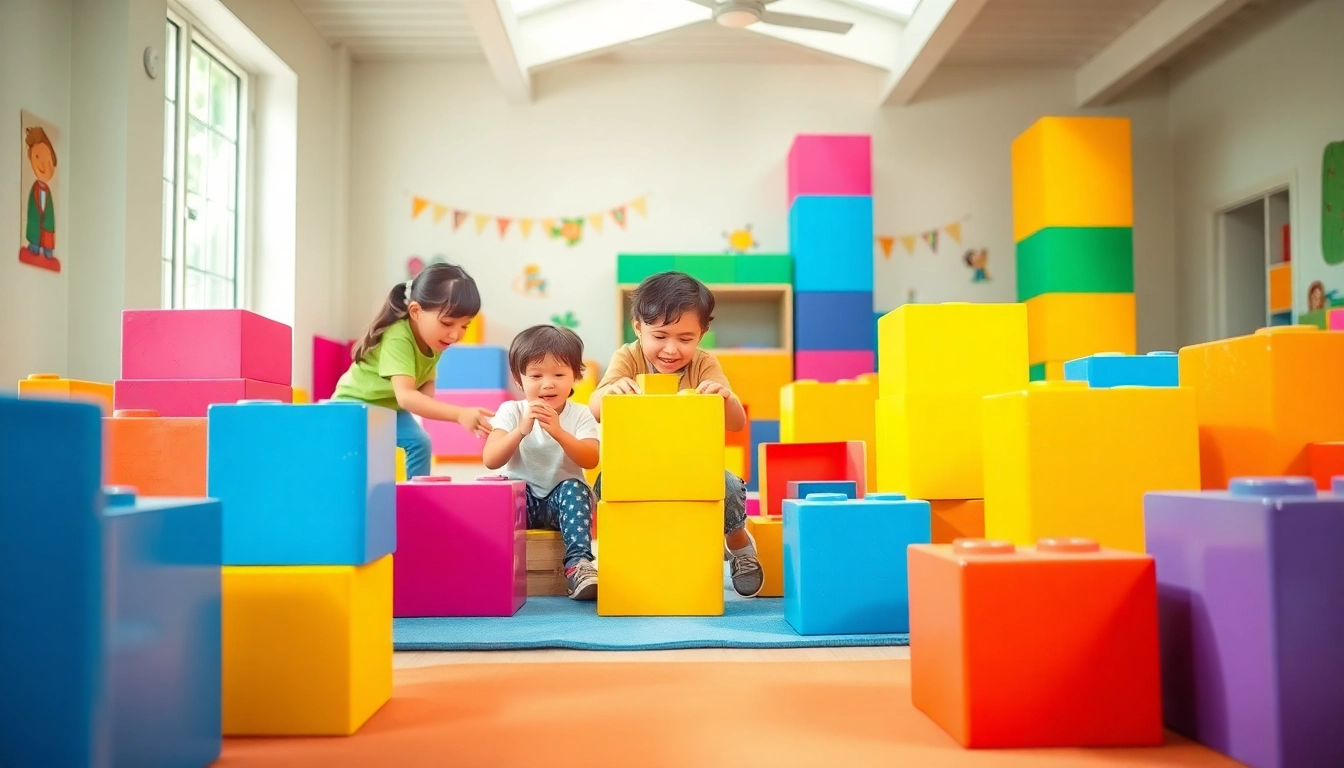
Why Giant Building Blocks Ignite Creativity
When it comes to children's play, giant building blocks represent more than just a source of entertainment; they serve as a powerful tool for enhancing creativity and learning. By engaging in activities centered around these blocks, children explore their imagination, harness critical thinking skills, and unlock their potential in various developmental areas. discover more about how these versatile toys can transform playtime into an enriching experience.
Benefits for Cognitive Development
Engaging with giant building blocks promotes key aspects of cognitive development. By problem-solving during construction, children enhance their reasoning and analytical skills. Research suggests that spatial awareness improves as children manipulate blocks into three-dimensional structures. This hands-on experience lays a foundation for mathematics and engineering concepts, encouraging young minds to envision, plan, and execute complex structures.
Encouraging Collaboration Among Peers
Building projects are an excellent opportunity for social interaction. When children collaborate on building with giant blocks, they learn the significance of teamwork and communication. Sharing ideas, negotiating design choices, and dividing tasks foster essential social skills. These interactions give kids the ability to appreciate diverse perspectives, promoting empathy while paving the way for lifelong friendships built on cooperation.
Inspiring Imagination and Problem Solving
Imagination is at the heart of play, and giant building blocks offer limitless possibilities. Children can create anything from towering castles to imaginative vehicles, making every play session unique. As they confront structural challenges—such as balancing blocks or creating stable foundations—they utilize problem-solving skills that are imperative in everyday life. The ability to think outside the box not only fuels creativity but also nurtures resilience when faced with obstacles.
Choosing the Right Blocks for Various Age Groups
Choosing the appropriate giant building blocks depends significantly on the age and developmental stage of the children participating in play. Selecting suitable blocks ensures safety, engagement, and optimal learning experiences.
Recommended Sizes and Materials
Blocks come in various sizes and materials, catering to different age groups. For toddlers (1-3 years), soft foam blocks are ideal, as they are lightweight and won’t cause injury. Blocks measuring between 4 to 6 inches are manageable, allowing for endless building opportunities. Preschoolers (3-5 years) can handle larger, sturdier blocks made from plastic or wood, enhancing durability. For older children, the introduction of heavier blocks further challenges their building capabilities while encouraging complex constructions.
Safety Tips for Young Builders
Safety should always be a priority when children play with building blocks. Adults should supervise play sessions, particularly with younger children. It is essential to choose blocks that are non-toxic and free of sharp edges. Regularly inspecting the blocks for wear and damage can prevent potential hazards. Lastly, establishing boundaries during play can minimize risks and promote safe building environments, ensuring that kids can enjoy their creativity without worry.
Adapting Setups for Different Skill Levels
Every child has a unique skill set, and adapting play environments to meet these varying abilities ensures inclusivity. For beginners, providing a variety of larger blocks removes the intimidation factor and encourages exploration. Intermediate builders can be introduced to more complex setups that require precise balancing and structural planning. For advanced builders, challenging designs that mimic real-world structures can enhance their skills while fostering a sense of accomplishment.
Creative Play Ideas with Giant Building Blocks
Maximizing the potential of giant building blocks involves thoughtful play ideas that stimulate engagement and learning. By integrating themed experiences and competitions, children can enjoy creative sessions that further foster their development.
Building Themed Structures Together
Themed building sessions can be particularly engaging. For example, a 'Space Adventure' theme allows children to create rockets, planets, and space stations, prompting discussions about the universe. This not only ignites their imagination but also provides educational talking points about science and astronomy. Similarly, a 'Medieval Castle' theme encourages historical exploration, allowing kids to learn about knights and princesses while they build.
Incorporating Educational Elements into Play
Incorporating learning objectives into play can enhance the educational value of building sessions. For instance, you could ask children to create structures of specific shapes or patterns to foster geometric understanding. Role-playing scenarios during construction can enhance language skills, as kids articulate their thoughts and collaborate to achieve shared goals. This approach not only streamlines learning outcomes but also fosters a delightful mix of structured and unstructured play.
Hosting Creative Competitions
Competitions can be a fun way to motivate children while promoting teamwork. Setting up challenges such as 'Tallest Tower' or 'Most Creative Design' can lead to healthy competition among peers. These contests encourage strategic thinking and cooperative building, as participants brainstorm ideas and support one another's efforts. Celebrating achievements, even small ones, fosters confidence and enthusiasm for collaborative projects.
Setting Up an Indoor Play Area
A well-designed indoor play area is crucial for maximizing the benefits of giant building blocks. Carefully planning the space makes it easier for children to engage in creativity and exploration without distractions or hazards.
Designing Your Space Efficiently
When designing an indoor play area, consider the flow of movement. Ensure there is ample space for children to maneuver while building. Defined work areas will help keep the play organized, minimizing clutter. Incorporating clear zones for different activities, such as structured building versus freeform play, can streamline focus and enhance creativity throughout the area.
Creating a Safe and Inviting Environment
Creating a safe play environment means using soft flooring and ensuring that furniture is stably anchored. Safety mats can also be placed to absorb falls. Inviting décor, such as colorful wall art or play stations, can inspire creativity. Including storage solutions for organizing blocks ensures that the play area remains tidy and promotes independent clean-up habits.
Lighting and Accessories to Enhance Play
Lighting can greatly influence the mood and functionality of a play area. Natural light is ideal, as it makes the space feel welcoming. Supplementing with adjustable artificial lighting, such as soft lamps, can create a cozy atmosphere. Accessories like visual aids and thematic decor can also enhance play and inspire children to build their imaginary worlds—like a starry night backdrop for a space theme.
Maintaining and Storing Your Building Blocks
Caring for giant building blocks ensures they remain safe and usable over time, facilitating ongoing play for children. Establishing a routine for maintenance and proper storage can extend the life of these valuable tools of creativity.
Cleaning and Care Practices
Regularly inspecting and cleaning building blocks is crucial for their longevity. Blocks made from wood should be wiped down with a damp cloth and diluted soap, avoiding harsh chemicals. Plastic blocks can typically be washed in warm, soapy water. Establishing a weekly cleaning routine allows easy maintenance and ensures that blocks remain hygienic and safe for repeated use.
Best Storage Solutions for Easy Access
Effective storage solutions can help keep the play area organized while making it easy for kids to engage with their blocks. Designated bins or shelves can be used to separate blocks by size or color, which promotes organizational skills. Clear containers allow children to quickly identify which blocks they want to use, enhancing their experience by reducing search time.
Extending the Life of Your Blocks
To maximize the lifespan of building blocks, it's essential to treat them well. Encourage gentle play to prevent wear and tear. For blocks that show signs of damage, repair them promptly or consider repurposing them into new art projects. By teaching kids responsibility for their toys, you not only emphasize care but also foster a deeper appreciation for their play materials.
Frequently Asked Questions
What age is suitable for giant building blocks?
Giant building blocks are suitable for children aged 1 and up. Ensure that the blocks are age-appropriate in size and material to ensure safety.
How can building blocks promote learning?
Building blocks promote learning by facilitating problem-solving, creativity, and cognitive development, all essential in young children’s growth.
Are there specific blocks for outdoor play?
Yes, some building blocks are made specifically for outdoor play, designed to withstand weather conditions and provide durability.
Can giant building blocks help with social skills?
Absolutely! Collaborative building activities foster teamwork, communication, and social interaction, essential for developing interpersonal skills.
How often should blocks be cleaned?
It's advisable to clean giant building blocks at least once a week to ensure they remain hygienic and safe for children’s use.