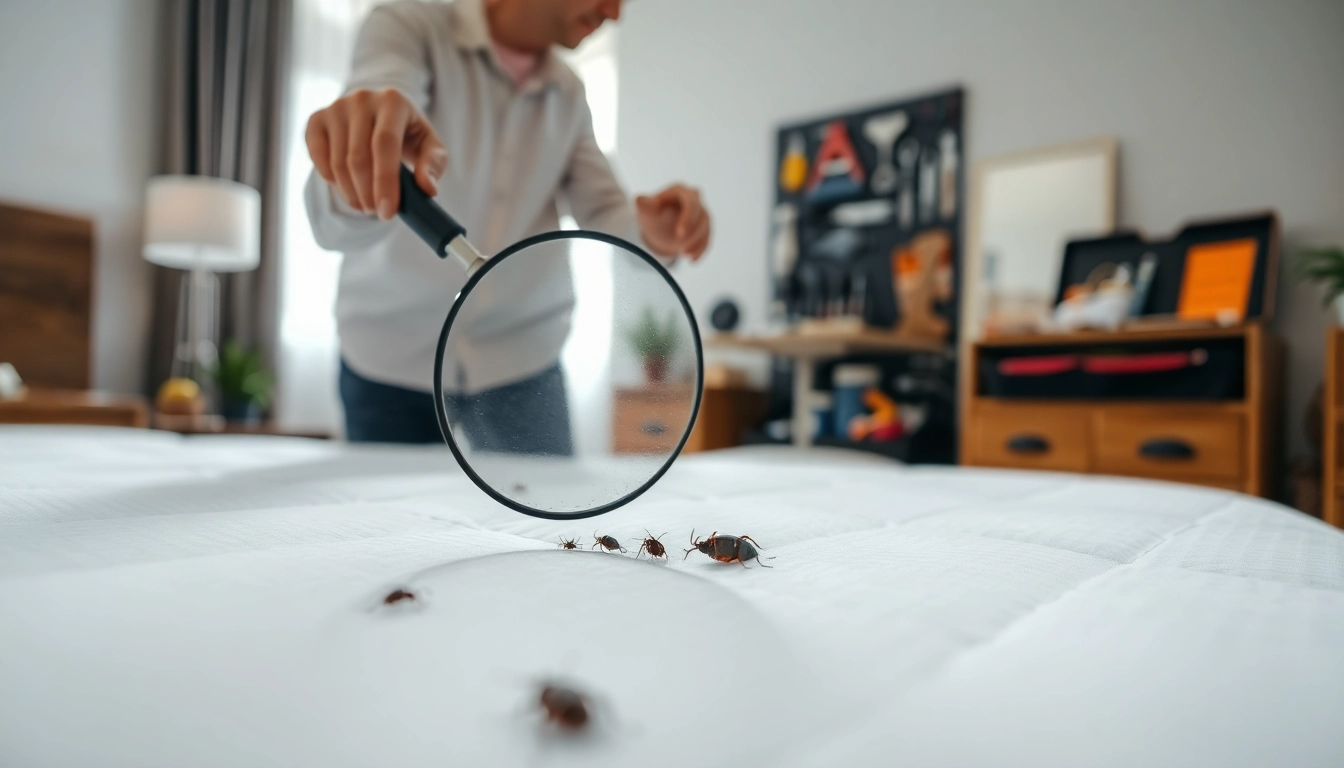
When it comes to maintaining a comfortable living space, bed bug infestations can be a major source of anxiety. Understanding how to effectively deal with these persistent pests is critical for homeowners facing such challenges. This comprehensive guide will delve into best practices for bed bug removal, from identifying the signs of an infestation to implementing effective strategies for elimination. Whether you choose to tackle the issue yourself or rely on professional services, being equipped with the right knowledge will empower you to reclaim your home.
Understanding Bed Bugs and Their Habits
Biology and Behavior of Bed Bugs
Bed bugs, scientifically known as Cimex lectularius, are small, reddish-brown insects that feed on human blood. They are approximately the size of an apple seed and are notorious for their ability to hide in cracks and crevices, making detection challenging. These pests are primarily nocturnal, emerging at night to feed, which often leads to bites that can cause discomfort and allergic reactions.
Adult bed bugs can live several months without a meal, enabling them to survive even in low-host environments. Their life cycle includes stages such as egg, nymph, and adult, with females laying hundreds of eggs during their lifetime, which contributes to rapid population growth in infested areas.
Signs of Infestation
Recognizing the signs of bed bug infestation early is crucial for effective bed bug removal. Common indicators include:
- Red, itchy bites on the skin, often in a linear pattern.
- Blood stains on sheets or pillowcases.
- Dark spots of bed bug excrement on mattresses or walls.
- Linear marks along baseboards or furniture.
Additionally, a musty odor can sometimes be detected in heavily infested areas, which is often attributed to bed bug pheromones.
Risk Factors and Vulnerabilities
Bed bugs are not limited to any specific environment, making them a common problem in homes, hotels, and other accommodations. However, certain factors increase the risk of infestation:
- Staying in hotels or places with a high turnover of guests.
- Bringing secondhand furniture or clothing into your home.
- Living in multi-unit housing, where infestations can easily spread.
- Poor housekeeping and clutter can provide accessible hiding spots.
DIY Strategies for Bed Bug Removal
Essential Tools for Homeowners
If you choose to tackle a bed bug problem yourself, having the right tools is essential. You'll need:
- A powerful vacuum cleaner with a hose attachment for thorough cleaning.
- Bed bug-proof mattress covers to prevent new bites.
- Steam cleaners to kill bed bugs on contact.
- Isopropyl alcohol or specialized bed bug sprays for treating surfaces.
Effective Home Remedies
While many commercial products claim to eradicate bed bugs, several home remedies can also be effective. Some of these include:
- Washing linens and clothing in hot water (130°F or 54°C) and drying on high heat.
- Applying diatomaceous earth to infested areas, which dehydrates and kills bed bugs.
- Using essential oils, like tea tree or peppermint, which have insecticidal properties.
Step-by-Step DIY Removal Plan
Here’s a structured approach for DIY bed bug removal:
- Identify and confirm the infestation by looking for evidence of bed bugs.
- Clear the area of clutter to facilitate cleaning.
- Vacuum thoroughly, focusing on cracks, crevices, and upholstery.
- Wash and dry all fabrics on high heat.
- Treat surfaces with a combination of home remedies and vacuum regularly.
- Monitor the areas for any signs of return, and repeat treatments as necessary.
When to Call a Professional for Bed Bug Removal
Identifying Severe Infestations
If you experience a large infestation or find DIY methods insufficient, it may be time to seek professional help. Signs that warrant a call to an expert include:
- Visible bed bugs in multiple areas of your home.
- Frequent waking due to bites.
- A strong bed bug odor present in your living spaces.
- Failed attempts at DIY treatments without visible progress.
The Benefits of Professional Treatment
Professionals have access to advanced treatment options and equipment that are often more effective than DIY methods. Some advantages of hiring experts include:
- Comprehensive inspections for assessing the extent of infestation.
- Utilization of precise pest control methods such as heat treatments or insecticides.
- Knowledge of bed bug biology and behavior for targeted treatments.
- Follow-up services to ensure infestations do not recur.
Cost Considerations for Services
The cost of professional bed bug removal can vary significantly based on the size of your home, the extent of the infestation, and the methods used. Typical costs range from a few hundred to over a thousand dollars. Factors influencing cost include:
- Type of treatment (chemical, heat, or residual).
- Frequency of infestations and required follow-ups.
- The size of the treated area.
Investing in professional extermination can save you time and stress compared to repeat DIY efforts.
Preventing Future Bed Bug Infestations
Best Practices for Home Maintenance
Preventive measures are crucial in keeping bed bugs at bay. Some effective strategies include:
- Regular cleaning of bedding, curtains, and upholstery.
- Sealing cracks and crevices in walls, furniture, and flooring.
- Storing items in sealed containers instead of cardboard boxes.
- First, inspect secondhand furniture before bringing it into your home.
Strategies for Monitoring Bed Bugs
Regular monitoring can help catch infestations early. To maximize your vigilance:
- Use bed bug interceptors under bed legs to trap bugs attempting to climb.
- Check regularly for signs of bed bugs, especially after travel.
- Keep an eye on any changes in sleeping patterns or increased bite incidences.
Educating Household Members
Education is a powerful tool in fighting bed bugs. Ensure all household members understand:
- How to identify bed bug signs.
- The importance of reporting bites or sightings immediately.
- Preventive measures they need to adopt, especially after travel.
Frequently Asked Questions About Bed Bug Removal
What are the symptoms of a bed bug bite?
Symptoms include itchy red welts, often in clusters or a straight line. They may occur after a blood meal and can vary per person.
Can bed bugs live without a host?
Yes, bed bugs can survive for several months without feeding, making it challenging to eliminate them completely.
How can I check for bed bugs at home?
Look for signs such as bites, blood stains, and excrement in bedding, on furniture, and in cracks or crevices.
What is the average cost of bed bug removal?
Cost varies widely based on the severity of the infestation and the methods used but typically ranges from a few hundred to over a thousand dollars.
Do bed bugs pose health risks to humans?
While bites can cause discomfort and allergic reactions, bed bugs are not known to transmit diseases to humans. However, secondary infections may arise from scratching.